

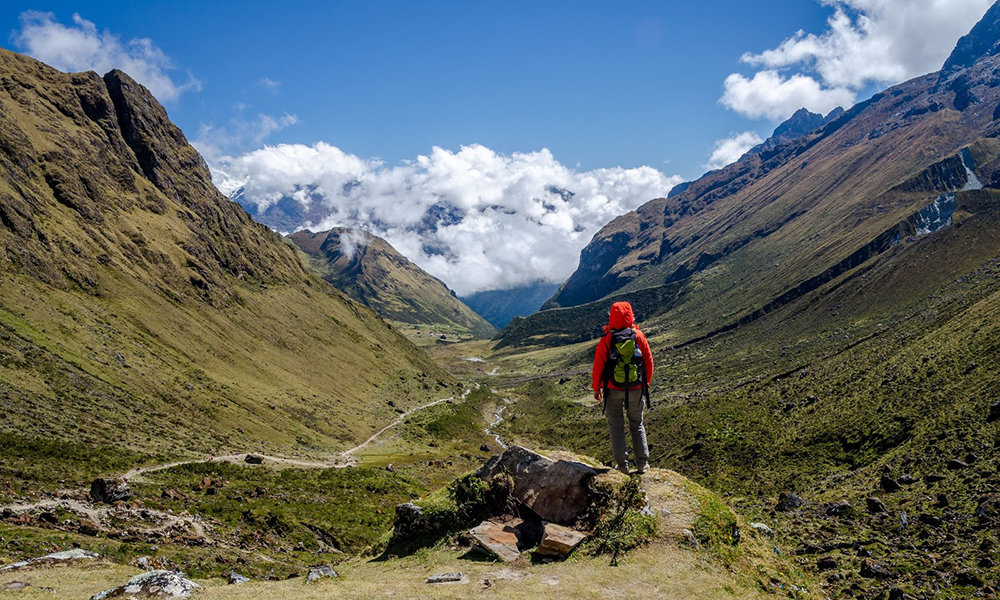
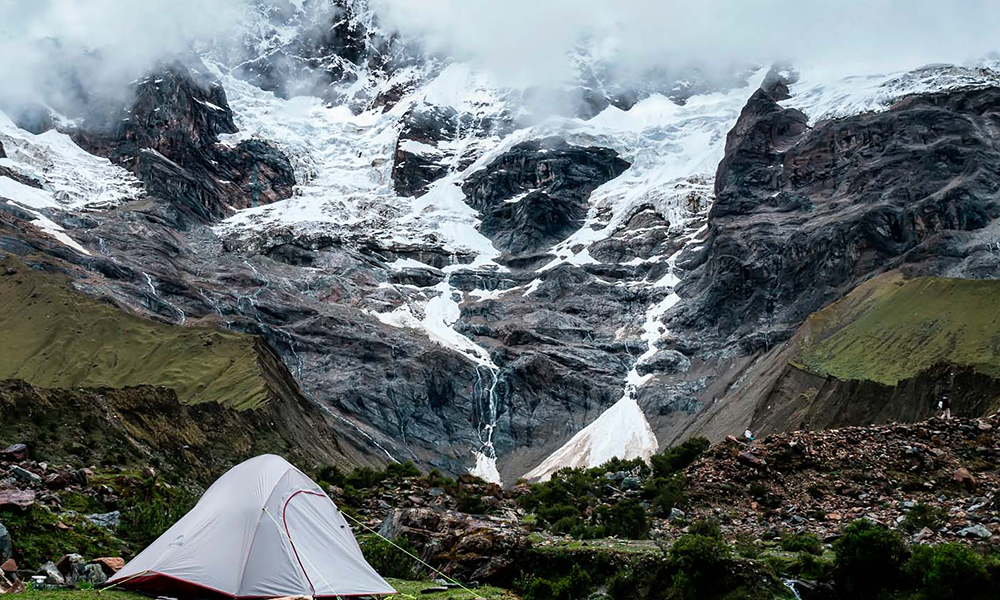
Two Paths, Two Unique Experiences
Hiking to Machu Picchu is one of the most transformative experiences a traveler can have in the Andes. But there’s a big decision to make beforehand: do the historic Inca Trail or venture along Peru’s most famous alternative route: the Salkantay Trek?
Both paths lead to the same destination, but the way you get there is completely different:
- One is archaeological, ritualistic, and ancestral.
- The other is natural, wild, and challenging.
In this in-depth guide, you’ll find the most comprehensive comparison on the internet, explained with precision, passion, and clarity to help you choose the trek that suits your style, fitness level, budget, and spiritual aspirations.
🌿 1. Origin and Philosophy of Each Trek
🟩 Inca Trail: The Original Sacred Route
The Inca Trail is more than just a path. It is an engineering and spiritual project created over 500 years ago by the Quechua people to connect the capital of the Inca Empire, Cusco, with the temples of Machu Picchu, Vilcabamba, and other ceremonial cities.
It was an initiation route.
A path of purification to arrive cleansed at the sanctuary.
Along the trek, the following are still preserved:
- Original staircases
- Tunnels carved into the rock
- Inca aqueducts
- Agricultural terraces
- Strategic viewpoints
- Religious centers
It’s like walking through a living museum.
🟦 Salkantay Trek: The Path of the Apu
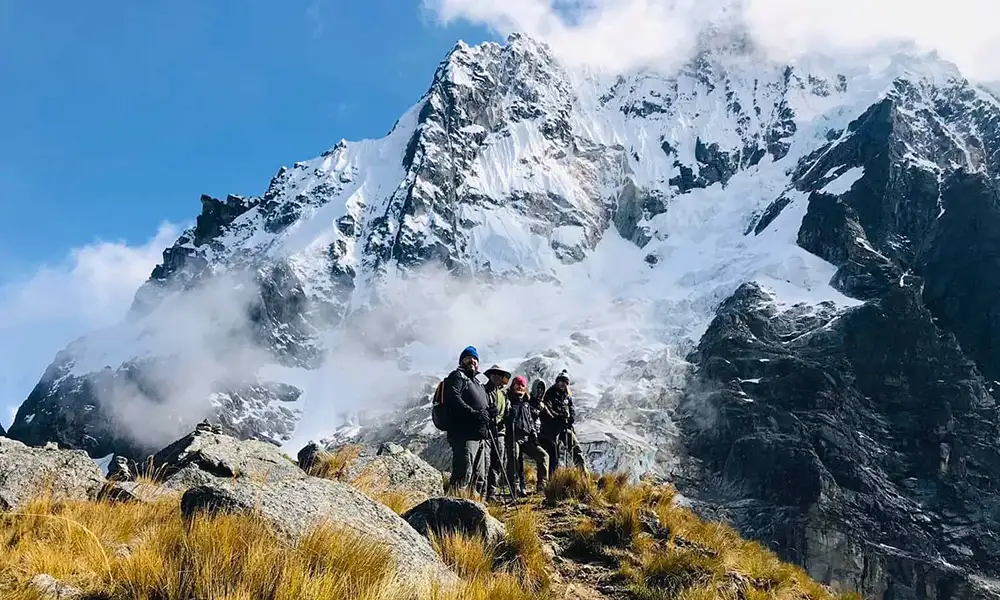
Apu Salkantay, a sacred mountain of 6,271 m (20,000 ft), was considered a protective spirit by the Incas. Its original Quechua name, Sallqantay, means:
“Wild, untamed, and majestic mountain.”
The current Salkantay route is not a main Inca Trail, but it was part of the trade routes between the cold highlands of the Altiplano and the warm Amazon rainforest.
It’s a modern trek that has become popular due to:
- Its spectacular scenery
- Its accessibility
- Its variety of ecosystems
- Its freedom (without permit restrictions)
It’s a path of nature, of the mountains, and of profound physical exertion.
🗺️ 2. Detailed Comparison by Key Themes
🧭 2.1 Landscapes and Natural Scenarios
🌿 Inca Trail
The Inca Trail offers a very “Andean” kind of beauty:
- Cloud forests
- Green valleys
- Aqueducts and terraces
- Distant mountain peaks
- Hidden archaeological sites
Its landscape is spiritual, historical, and mysterious.
It’s like walking through a period film.
❄️ Salkantay Trek
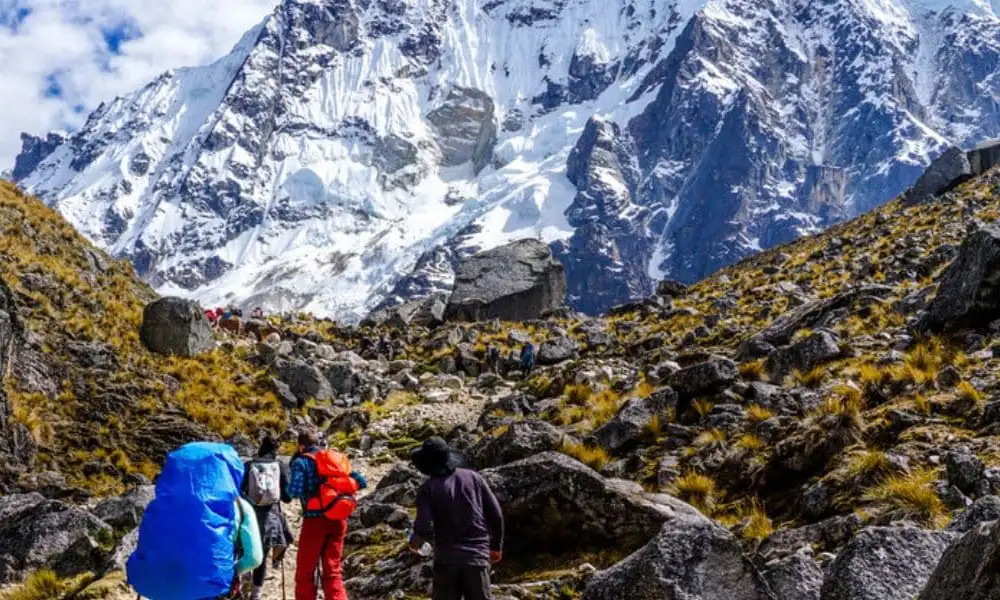
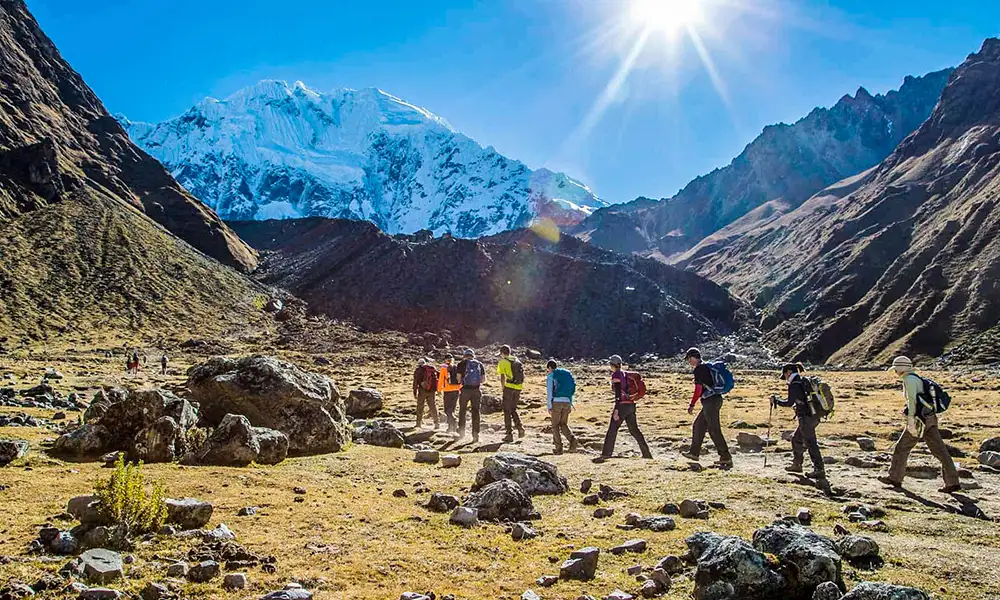
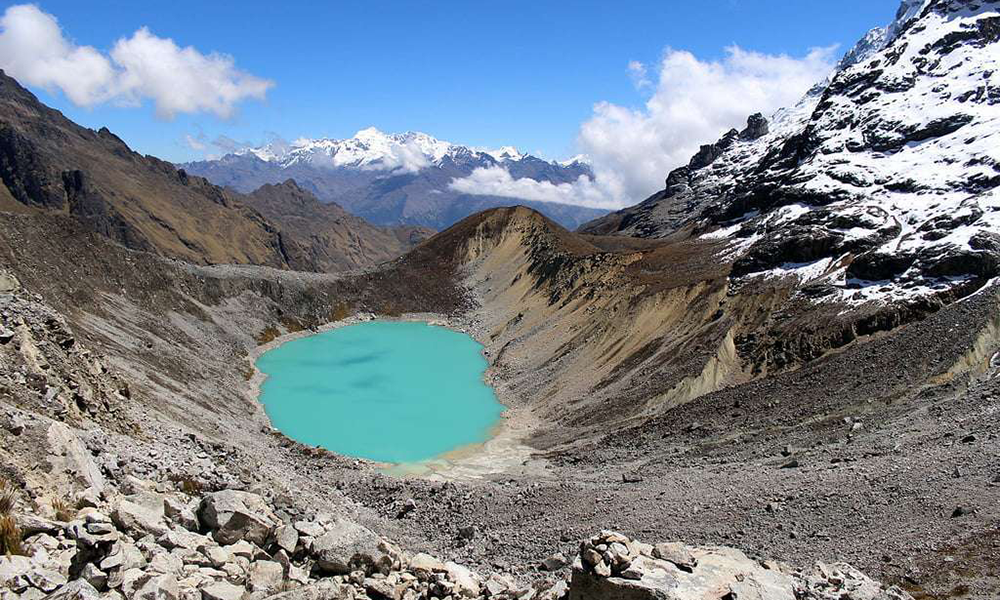
The Salkantay is considered one of the most diverse treks in the world.
In a single trip you will see:
- Snow-capped mountains
- Colossal glaciers
- Turquoise lagoons
- Deep valleys
- Cloud forest
- Coffee plantations
- High Amazon rainforest
Each day is a new ecosystem.
It’s nature in its purest form.
📏 2.2 Total Distance and Elevation Gain
Inca Trail
- 42 km in 4 days
- Constant elevation gain, many stairs
- Steep ascents and descents
Feeling: technical, archaeological, physical but moderate.
Salkantay Trek
- 70 to 75 km in 5 days
- Long climbs
- Extreme elevation gain in the first section
- Long descents
Feeling: moderate mountaineering, adventure trekking.
⛰️ 2.3 Maximum Altitude and Climate
Inca Trail
- Maximum altitude: 4,215 m (Warmiwañusca Pass)
- Temperate and humid climate
- Cold nights, but not extreme
Ideal for those who suffer from moderate altitude sickness.
Salkantay Trek
- Maximum altitude: 4,630 m (Salkantay Pass)
- Extreme climate: cold, windy, occasional snow
- Wind chill below freezing
Requires solid acclimatization and stamina.
💰 2.4 Actual Costs
Inca Trail
- $650–$900 USD
- Limited permits
- Strict regulations
- Includes porters
Salkantay Trek
- $250–$400 USD
- Permit-free
- More economical
- Variations depending on dome or campsites
The Salkantay Trek is ideal for travelers on a budget.
🗓️ 2.5 Availability and Reservations
Inca Trail
- You must book 3–6 months in advance.
- Permits sell out, especially for June–August.
- Starting without an official permit is not allowed.
Salkantay Trek
- Flexible reservations.
- Daily departures.
- Perfect for spontaneous travelers.
🚶♂️ 2.6 Difficulty Level
Inca Trail
- Moderate / Moderately High
- Many steps.
- More accessible for beginners in good health.
- Group pace.
Salkantay Trek
- Challenging / Very Challenging
- High altitudes.
- Long distances.
- Steep ascents and long descents.
If you enjoy challenging trekking, Salkantay Trek is for you.
🏕️ 2.7 Accommodation and Comfort
Inca Trail
- Basic Camps
- Rustic Bathrooms
- Classic Tents
- Porters Carry Your Equipment
Salkantay
Depending on the agency, you can have:
- Panoramic Domes ❄️
- Wooden Cabins
- Lodge-Style Camps
- Standard Tents
It’s more varied and customizable.
🏺 2.8 History and Archaeology
Inca Trail — Highest Level
You hike among ruins, temples, and archaeological sites such as:
- Runkurakay
- Sayacmarca
- Phuyupatamarca
- Wiñayhuayna
The final section at Inti Punku (Sun Gate) is one of the most ceremonial entrances in the world.
Salkantay — History in the Landscape
- Ancient Trade Route
- Sacred Mountain of Apu Salkantay
- Llactapata Archaeological Site
- Connection with Pre-Hispanic Routes
But the focus is more natural than
archaeological.
✨ 3. Ideal Traveler Profile for Each Trek
✔️ Inca Trail (Ideal Profile)
This trek is for you if:
- You are passionate about history and archaeology
- You dream of entering Machu Picchu through the Sun Gate
- You prefer a more controlled and traditional route
- You want a moderate but charming trek
- You can book several months in advance
- You value walking on original Inca trails
✔️ Salkantay Trek (Ideal Profile)
This trek is for you if:
- You want giant mountains, lagoons, and glaciers
- You seek more extreme and varied landscapes
- You are in good physical condition
- You travel on a more limited budget
- You like the wild and less regulated
- You want to combine trekking with the Amazon rainforest
🧪 4. Technical Comparison of Physical Effort
Inca Trail
- Short and steady inclines
- Stone staircases that require knee strength
- Temperate climate
- Altitude Moderate
👉 Ideal for runners, casual travelers, and history buffs.
Salkantay
- Long routes of 8–10 hours
- Extreme climb to the Salkantay Pass
- Cold and windy weather
- Strong descents
👉 Ideal for mountaineers, hikers, adventurers, and lovers of wild environments.
There’s no single winner:
there’s a perfect trek for you.
✔️ Choose the Inca Trail if:
You want to walk where the Incas walked, feel their energy, discover hidden ruins, and reach Machu Picchu through the Sun Gate, just like the priests and nobles did.
It’s cultural, mystical, and deeply historical.
✔️ Choose the Salkantay Trek if:
You crave adventure, pristine nature, towering snow-capped mountains, turquoise lagoons, open skies, cloud forest, and a free, powerful, and unpredictable trek.
It’s wild, majestic, and transformative.
Both routes lead to the same destination, yes…
but the path you choose will shape how you remember Machu Picchu forever.