

Everything you need to know about weather, risks, advantages, equipment, recommendations, and real-life experiences between December and April
The Salkantay Trek is one of the most breathtaking trekking routes in Peru, but also one of the most exposed to extreme weather changes. That’s why every year the same question arises among travelers:
- Is it a good idea to do the Salkantay Trek during the rainy season?
- Is it safe? Is it just as enjoyable? What really changes along the way?
In this MEGA GUIDE, you’ll find all the real information, explained completely, honestly, and in detail, to help you decide if the Salkantay Trek during the rainy season is right for you.
🌧️🏔️ 1. What exactly is the rainy season on the Salkantay Trek?
The rainy season in the Vilcabamba mountain range (where Nevado Salkantay is located) occurs between:
➡ December 1st
➡ until mid-April
During this period, the mountain range receives between 75% and 90% of its total annual rainfall, causing:
- flooded trails
- slower ascents
- unstable soils
- rising river
- landslides on slopes
- increased cloud cover
- extreme humidity
- sudden weather changes
Rain can occur in the form of:
- light drizzles
- short-lived torrential downpours
- constant rain for hours
- thunderstorms
- hail in high-altitude areas
- occasional snowfall (yes, even in February)
The trek is not impossible, but it is completely different.
🌦️ 2. How does the climate of Salkantay change during the rainy season?
Salkantay is famous for traversing three completely different ecosystems.
Each one behaves differently during the rainy season.
Below is a more detailed explanation:
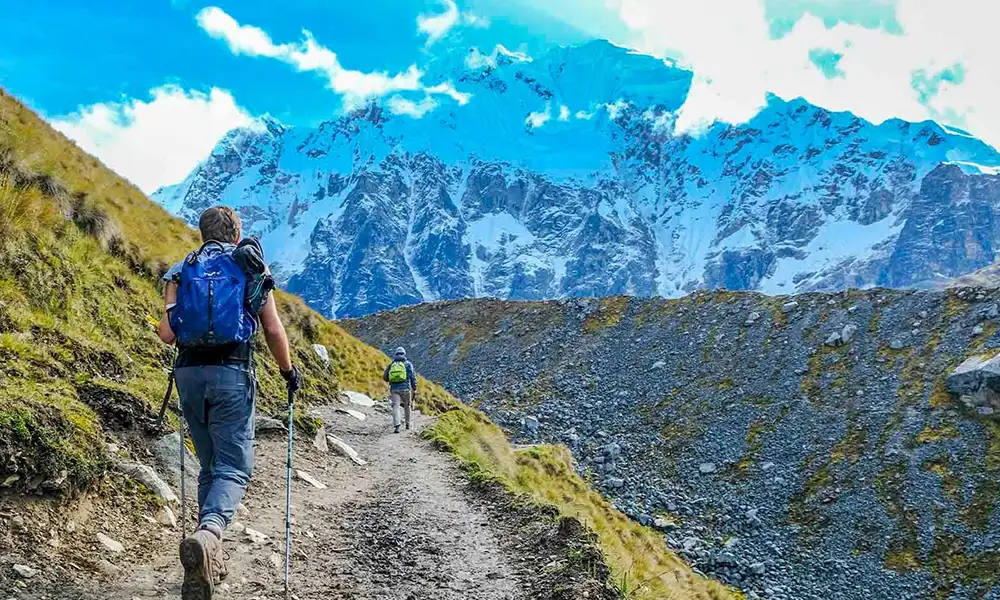
A. Glacial and High Mountain Zone (Soraypampa – Salkantay Pass)
Altitude: 3,900 m – 4,630 m
Climate: cold, windy, unstable.
During the rainy season, the following occur here:
❄️ 1. Unexpected snowfalls
Yes, even in January or February.
The snow can cover the trail, slowing down the ascent.
⚡ 2. Thunderstorms
These are dangerous at high altitudes.
If they occur near the pass, the trail may be closed.
🧊 3. Strong winds (up to 50–60 km/h)
Combined with rain, these reduce visibility.
🌫️ 4. Dense fog
At times, visibility is reduced to just 5–8 meters.
🌡️ 5. Actual temperature vs. wind chill
The average temperature is 0°C to 4°C,
but the wind chill can reach -5°C to -10°C with wind and rain.
B. Cloud forest (Chaullay – Collpapampa – Sahuayaco)
Altitude: 2,900 m – 2,000 m
Climate: temperate, humid, and rainy.
During the rainy season, this area experiences:
🌧️ 1. Daily rain
Sometimes light, sometimes heavy.
There are no completely dry days.
🐾 2. Thick Mud
The trail can sink up to your ankles.
🦟 3. Increased Mosquitoes
The humidity activates them.
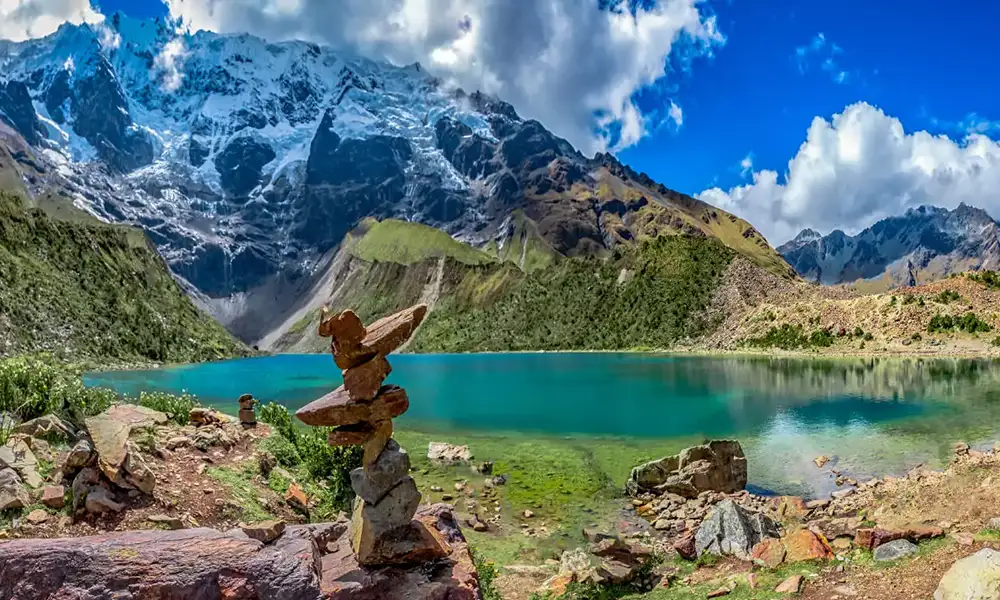
🌿 4. Extremely Green Vegetation
Large waterfalls, blooming flowers, and full streams.
C. Lowland Rainforest (Lucmabamba – Hydroelectric Plant – Aguas Calientes)
Altitude: 2,000 – 1,900 m
Climate: Tropical and extremely humid.
During the Rainy Season:
🌀 1. 100% Humidity
Clothes never fully dry.
💧 2. Wet Trails
If it rains heavily, some access points may be temporarily blocked.
🌡️ 3. Humid Heat
Walking in the wet becomes difficult.
⚠️ 3. Is it safe to do the Salkantay Trek during the rainy season?
The short answer:
Yes, but with additional risks.
❗ Main risks:
1. Landslides and mudslides
The ground softens and can slide.
This is more common between:
- Collpapampa
- Sahuayaco Beach
- Llaqtapata
Guides are usually informed via local radio.
2. Swollen rivers
Some streams can rise from 20 cm to 80 cm in a matter of hours.
Crossing becomes:
- slower
- colder
- more dangerous
- more technical
3. Slippery trails
The dirt paths become:
- muddy
- unstable
- treacherous
This increases both the time and physical exertion required.
4. Hypothermia from Wet Clothing + Strong Wind
A common mistake:
Travelers wear clothing that isn’t truly waterproof.
It seems trivial, but it’s not.
Wet clothing at high altitude =
rapid drop in body temperature.
5. Thunderstorms in Exposed Areas
The Salkantay Pass is a dangerous place during thunderstorms.
Professional guides know safe “windows” of escape.
6. Loss of Visibility
The fog can be so dense that:
- signs disappear
- the trail becomes confusing
- distance is lost
- it’s easy to get lost
This is serious for those traveling independently.
🧭 4. Should the Salkantay Pass be avoided without a tour during the rainy season?
The responsible answer is:
Not recommended.
During the rainy season:
- The weather changes three times faster
- Risks increase
- Navigation is difficult
- The trail requires experience
- There are more accidents
If you want to do it on your own, it’s best to:
➡ May
➡ June
➡ July
➡ August
➡ September
🌱 5 REAL Advantages of Doing the Salkantay Trek During the Rainy Season
Although it may not seem like it, there are also
It has unique charms:
✔ 1. Spectacularly green landscape
Everything is in bloom.
The waterfalls are larger.
The rivers roar louder.
✔ 2. Fewer tourists
The trail is quieter.
Photos are free of crowds.
✔ 3. Lower rates at agencies
It’s the most economical season.
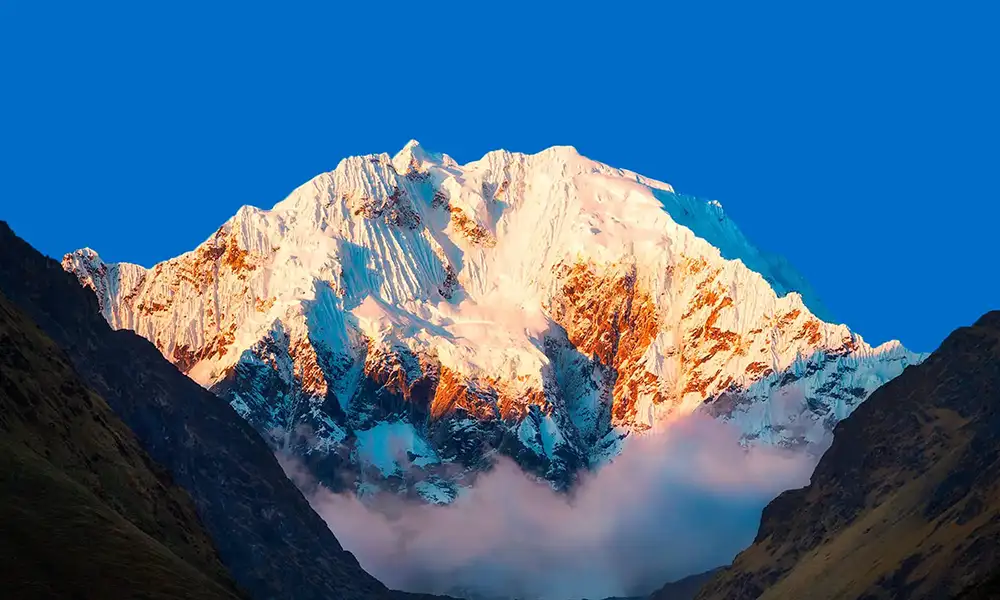
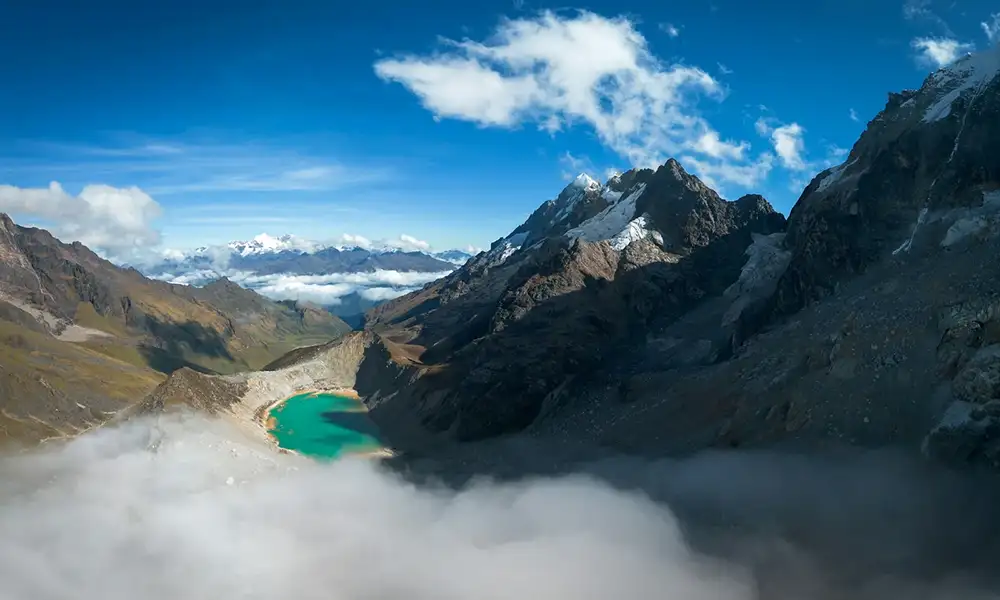
✔ 4. Dramatic clouds and mystical views
Snow-capped Salkantay looks like a giant shrouded in mist.
(Unique photo opportunities).
✔ 5. More authentic experience
You connect more with the mountain and with yourself.
❌ 6. Significant disadvantages during the rainy season
❌ 1. Fewer panoramic views
Clouds can cover the pass for hours.
❌ 2. More physical fatigue
Walking through mud uses twice the energy.
❌ 3. Lots of wet clothes
The humidity makes drying clothes nearly impossible.
❌ 4. Temporarily closed areas
Not by regulation, but for local safety reasons.
❌ 5. Higher risk of blisters
Wet feet irritate more easily.
❌ 6. Ascent to the pass with reduced visibility
Sometimes you only see a fraction of the snow-capped mountain.
🥾 7. Is it advisable to do the Salkantay Trek during the rainy season?
It depends on you.
✔ Yes, it’s recommended if:
- You have trekking experience
- You’ve hiked in the rain before
- You’re acclimatized to the altitude
- You’re going with a reliable agency
- You have professional waterproof gear
- You enjoy intense adventures
- You’re looking for a more secluded route
❌ Not recommended if:
- It’s your first trek
- You don’t have technical equipment
- You can’t tolerate cold and damp conditions
- You’re afraid of thunderstorms
- You’re traveling with children or elderly people
- You want unobstructed views of the snow-capped mountain
- You want to hike fast
🧢 8. Professional tips if you decide to do it in the rain
1. Wear truly waterproof clothing
Not just “water-resistant.”
Trilaminate or Gore-Tex waterproofs.
- Jacket
- Pants
- Extra large poncho for your backpack
2. High-top trekking boots
Avoid sneakers.
You need:
- Non-slip soles
- Good traction
- Real waterproofing
- Ankle support
3. Wear layers of clothing (thermal layers)
Golden rule:
➡ Breathable + thermal + waterproof
4. Bring at least 2 pairs of gloves
One always gets wet.
5. Don’t wear cotton
Cotton absorbs water and takes HOURS to dry.
6. Bring dry clothes ONLY for sleeping
Store them in a waterproof bag.
7. Download offline maps
- Maps.me
- AllTrails
- Gaia GPS
8. Avoid hiking in thunderstorms
If you hear thunder → move away from the mountain pass.
9. Start your hike earlier than during the dry season
You’ll avoid afternoon rain.
10. Use trekking poles with wide baskets
They help you avoid slipping in mud.
🌟 Is the Salkantay Trek Worth It During the Rainy Season?
The honest answer:
Yes, it is,
but only for the right kind of traveler.
The Salkantay Trek in the rains is:
- wild
- unpredictable
- green
- humid
- slow
- demanding
- less touristy
- deeply mystical
It’s a more introspective trek than a photographic one.
More emotional than panoramic.
More adventurous than comfortable.
If you have experience, technical equipment, and go with an agency, you can experience a different, dramatic, and vibrant version of the Salkantay Trek.
But if you’re a beginner, looking for comfort, or want 100% unobstructed views, then it’s best to choose the dry season.