

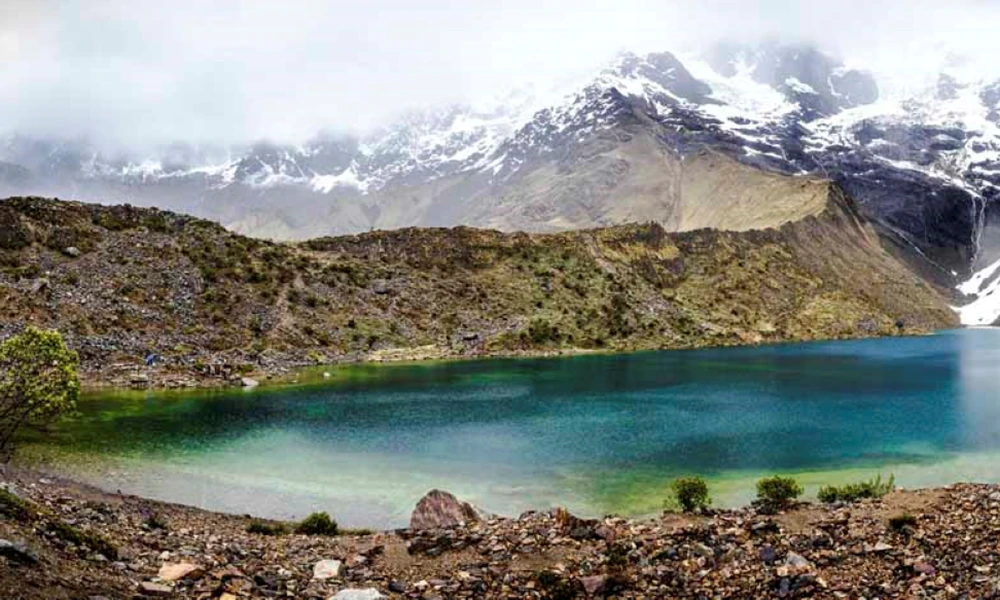
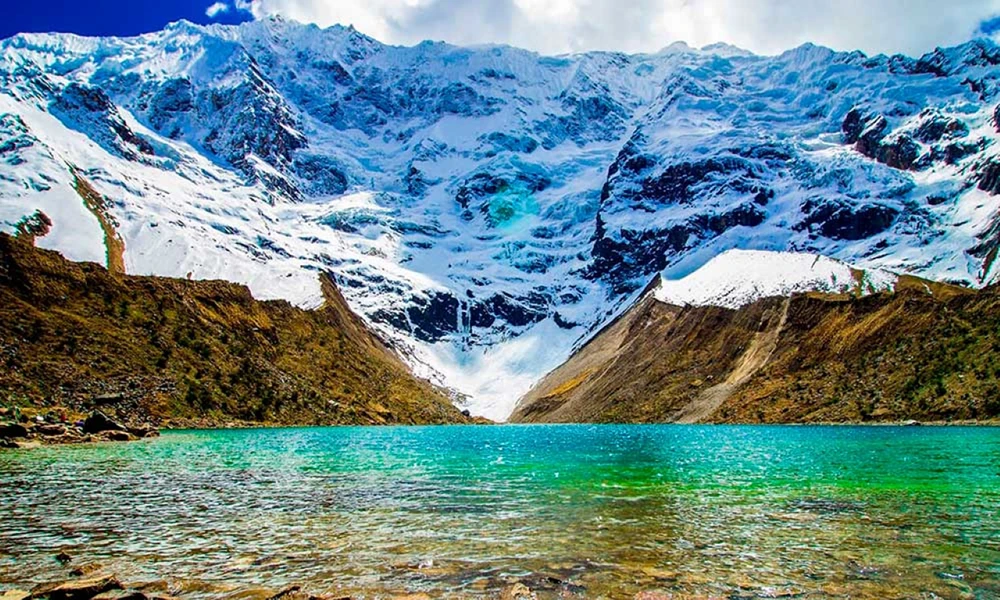
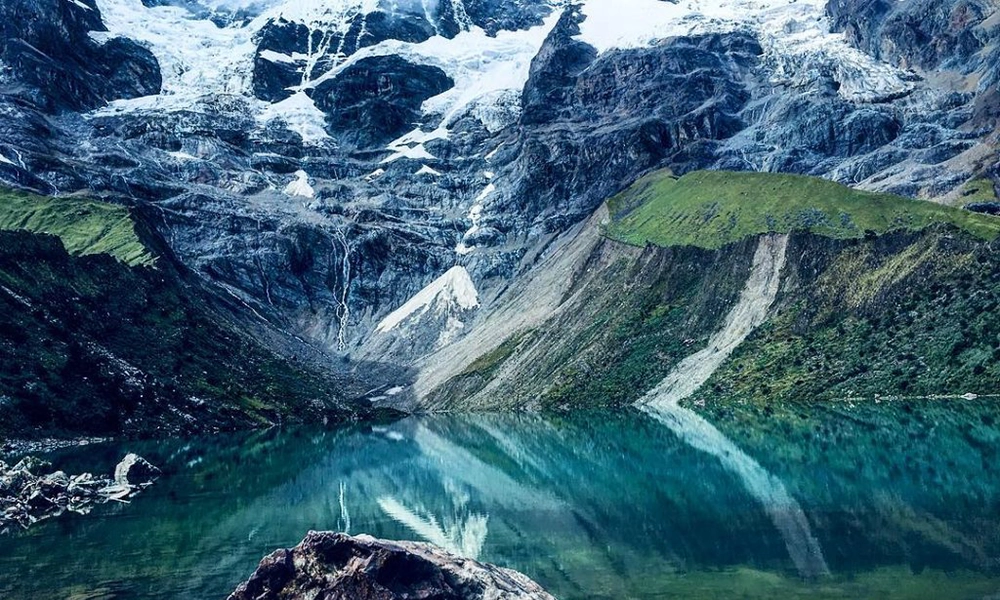
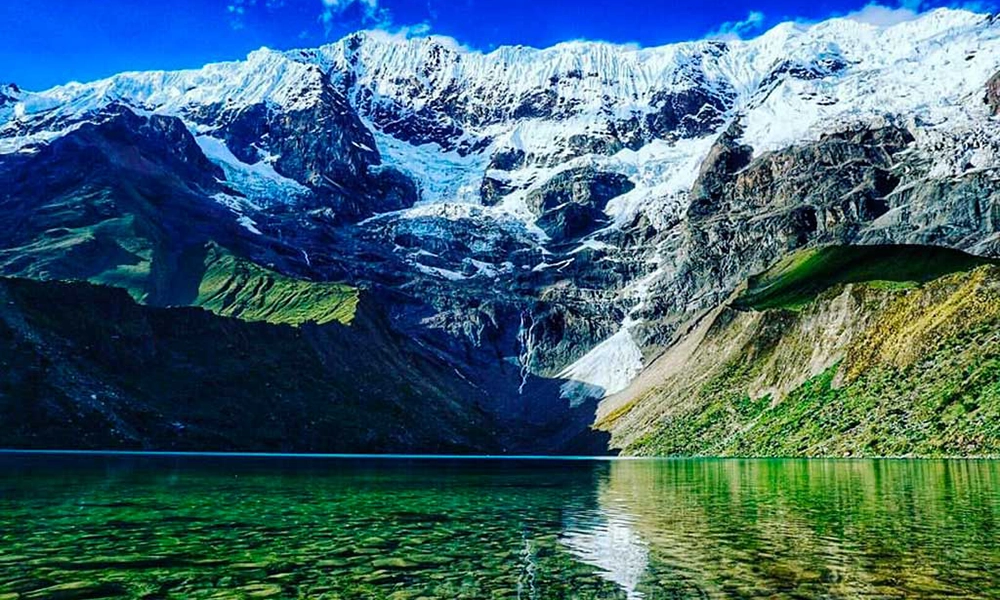
The definitive and profoundly informative guide to hiking to Apu Salkantay
Some journeys begin with a backpack.
Others begin with a dream.
But the greatest journeys—the ones that transform you—begin with a small, almost invisible act:
having the right documents.
It might sound cold, bureaucratic.
But on ancient trails like the Salkantay, where glaciers, history, Andean ritual, vibrant communities, and vast, solitary valleys intertwine,
permits are not just paperwork:
they are the keys that unlock sacred doors.
Mountains, like temples, have rules.
And the hiker who respects them is welcomed with good weather, clear paths, and the protection of the Apu.
This guide explains everything you need—without confusion, without omissions, without surprises—to make your Salkantay trek logistically perfect and spiritually sublime.
🏔️ 1. Do I need an official permit to do the Salkantay Trek?
🟢 No. There is no mandatory government permit.
Unlike the Inca Trail, where there are daily limits and reservations are impossible to get during peak season,
the Salkantay is a free, open, and vibrant route.
It’s a trail that belongs to local communities, to Apu Salkantay (Mount Salkantay), and to Pachamama (Mother Earth) herself.
What does this freedom mean?
- You don’t have to book months in advance.
- There’s no government website for permits.
- There’s no official limit on the number of hikers.
- You don’t need a mandatory guide.
- You don’t need authorization from the Ministry of Culture to hike.
It’s a trail for everyone.
For the tour operator, for the solo traveler, for the nomadic backpacker,
for the dreamer who arrives in Cusco wanting to reach for the sky.
But be aware:
free doesn’t mean free of charge.
There are local fees, community entrance fees, and documents that ARE mandatory.
🌿 2. Salkantay Community Entrance Fee (MANDATORY)
The route passes through the lands of the Mollepata Peasant Community.
They maintain the trails, care for the path, and regulate access to Soraypampa and Humantay Lagoon.
💵 Cost:
Between 20 and 30 soles (varies by season and sector).
📍 Where to pay:
- In Mollepata (official point)
- At the community checkpoints before Soraypampa
🧾 What do you receive?
A simple physical ticket,
but one that represents your entry to the Apu’s territory.
⭐ This payment:
- is communal
- is legal
- is mandatory
- is respectful
Think of it as a humble tribute before climbing the mountain.
💧 3. Entrance to Humantay Lagoon
If you decide to visit it before starting the trek (almost everyone does), you must pay a separate entrance fee.
💵 Average cost:
10–20 soles
It is not included in the general Salkantay entrance fee because it is managed by a different community.
🎟 Remember:
Keep both tickets.
The checks are real.
🏯 4. Entrance to Machu Picchu (MANDATORY and CRUCIAL)
This is the most important ticket of the trip.
After hiking among glaciers, crossing the mountain pass, descending through cloud forests, and following train tracks,
your final destination will be the Historic Sanctuary of Machu Picchu.
💵 Prices (estimated):
- Classic Machu Picchu: ~208–220 soles
- Machu Picchu + Mountain: ~200–320 soles
- Machu Picchu + Wayna Picchu: 260–300 soles
❗ Important:
Tickets sell out quickly.
In June, July, and August, you must purchase your ticket 2–4 weeks in advance.
🧾 Why is this so important?
Because without this ticket, the entire trek will be incomplete.
You will not be able to enter the sanctuary even if you have hiked 70 km.
If you are traveling independently,
buy your ticket before leaving Cusco.
Don’t leave it to chance.
🚆 5. Return Train Ticket (optional, but highly recommended)
After arriving at Machu Picchu,
most people return to Cusco by train (Inca Rail or PeruRail).
💵 Price:
$60–$100 USD depending on the time.
📌 Vital tip:
Book before the trek.
During peak season, return trains fill up quickly.
Alternative:
Walk back to Hidroeléctrica → bus to Cusco.
Cheaper, but takes longer and is tiring after the trek.
🚌 6. Bus Ticket: Aguas Calientes → Machu Picchu (optional)
You can hike up (1 hour 20 minutes),
but many trekkers prefer to save their energy for the sanctuary.
💵 Cost:
- One way: $12
- Round trip: $24
✔ Tip:
If your Machu Picchu entrance is at 6:00 a.m.,
buy your bus ticket earlier to avoid lines.
🧳 7. Personal Documents You Must Bring (MANDATORY)
🟩 Original Passport
You absolutely need it for:
- entering Machu Picchu
- validating your ticket
- random entry checks
🟩 National Identity Document (DNI) (Peruvians)
Sufficient if you are a Peruvian citizen.
🟨 Travel Insurance
It’s not mandatory, but it should be.
The Salkantay Trek is not an easy hike:
- 4,630 meters above sea level
- icy winds
- risky areas
- unpredictable weather
- narrow and steep paths
Insurance that includes mountain evacuation is the best investment you’ll make.
🧾 8. Optional but Very Useful Documents
✔ Digital copy of reservations
Accommodation, train, bus, Machu Picchu.
✔ Copy of passport
In case you accidentally lose it.
✔ Baggage approval (if returning by train)
Some agencies require it.
✔Tetanus vaccination certificate
Recommended for long treks.
🧭 9. If you go with an agency, what documents do they include?
A reputable agency usually includes:
✔ Salkantay community entrance fee
✔ Humantay Lagoon entrance fee
✔ Professional guide
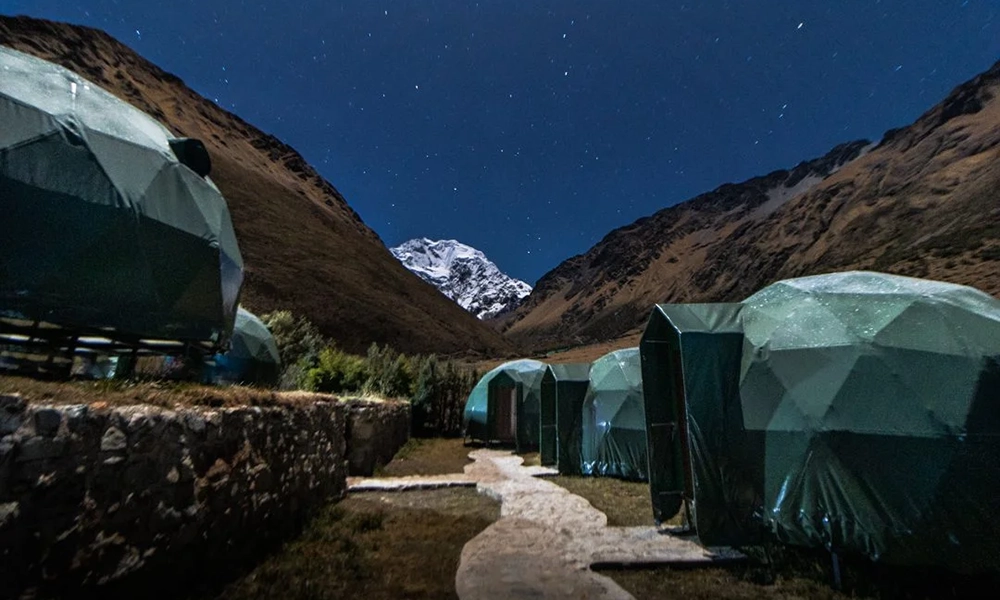
✔ Tents or domes
✔ Pack horses
✔ Meals
✔ Bus ticket from Hidroeléctrica to Aguas Calientes
✔ Return train ticket (depending on the itinerary)
✔ Machu Picchu entrance fee
But not all agencies include the same things.
Therefore, always ask:
- “Does it include the community entrance fee?”
- “Does it include the train?”
- “Does it include the bus?”
- “Does it include Machu Picchu?”
Some agencies seem cheap…
because they don’t include anything.
🧭 10. If you’re traveling independently: an essential checklist before you leave
Before leaving Cusco, make sure you have:
✔ Salkantay Community Entrance Ticket
✔ Humantay Lagoon Entrance Ticket
✔ Physical Passport
✔ Machu Picchu Entrance Ticket
✔ Bus Ticket (optional)
✔ Return Train Ticket (optional)
✔ Charged Power Bank
✔ Backup Photos
✔ First-Aid Kit
✔ Medical Insurance
✔ Offline Map
Without these, you risk major problems with your trip.
🌥️ 11. Key Tips to Avoid Problems with Permits and Documents
⭐ Double-check that your name is EXACTLY correct on your Machu Picchu ticket.
Even a single misspelled letter will invalidate your ticket.
⭐ Keep ALL your tickets in two formats:
- physical
- digital
⭐ Avoid buying your tickets on the day of the trek
The signal is unreliable in Mollepata and Soraypampa.
⭐ Have cash in soles
Community payments are not accepted by card.
⭐ Check Machu Picchu’s opening hours
Each ticket has a strict entry time.
⭐ If you lose your passport:
You must obtain a new one or a “safe-conduct” before entering Machu Picchu.
🌄 12. Permits are part of the mountain ritual
When you prepare your tickets,
when you put your passport in an inside pocket,
when you receive the community ticket in Mollepata,
you are doing more than just a formality:
You are opening doors.
- The door to the high valley where condors soar.
- The door to the pass where the wind becomes ancient.
- The gateway to the cloud forests where the mist embraces you.
- The gateway to Llactapata where Machu Picchu appears like a whisper.
And finally,
the gateway to the sanctuary that awaits among ancient clouds.
The permits are your commitment.
Your offering.
Your acknowledgment that you are about to enter a territory that was sacred before tourism even existed.
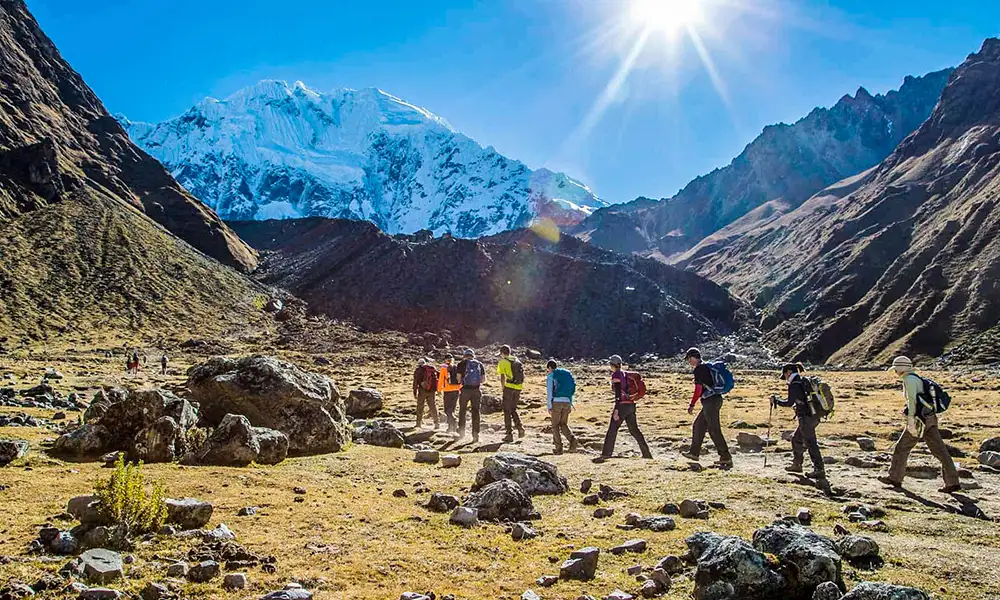
And when you walk beneath the Salkantay glacier,
when you breathe that pure air that aches,
when you feel the mountain throb beneath your boots,
you will remember that every piece of paper, every ticket, every document…
was not bureaucracy, but the key to the journey of a lifetime.