

How to Prepare for the Salkantay Trek: Tips, Itinerary, and More
🌄 Peru’s Most Beautiful Alternative Route
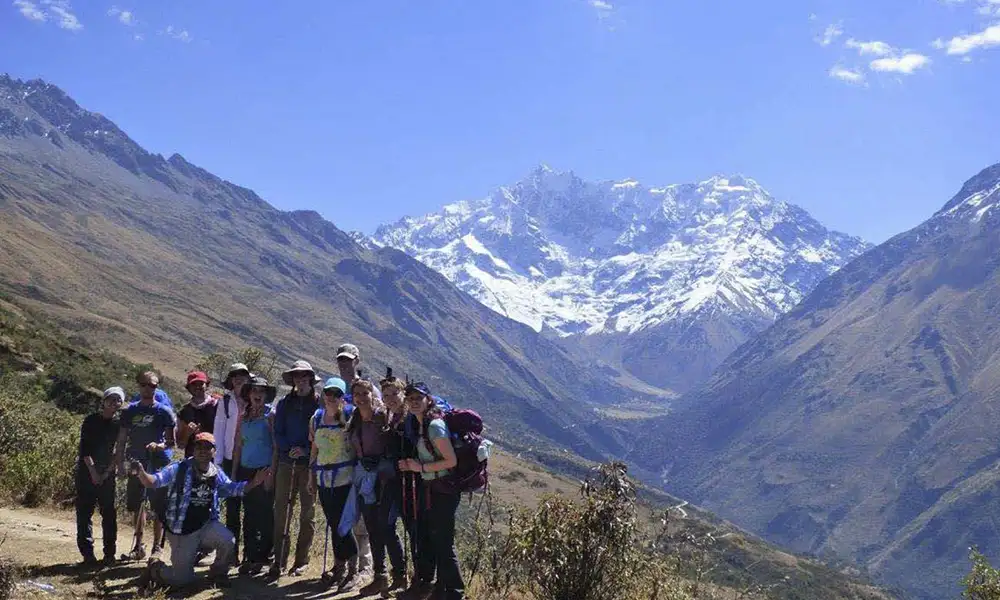
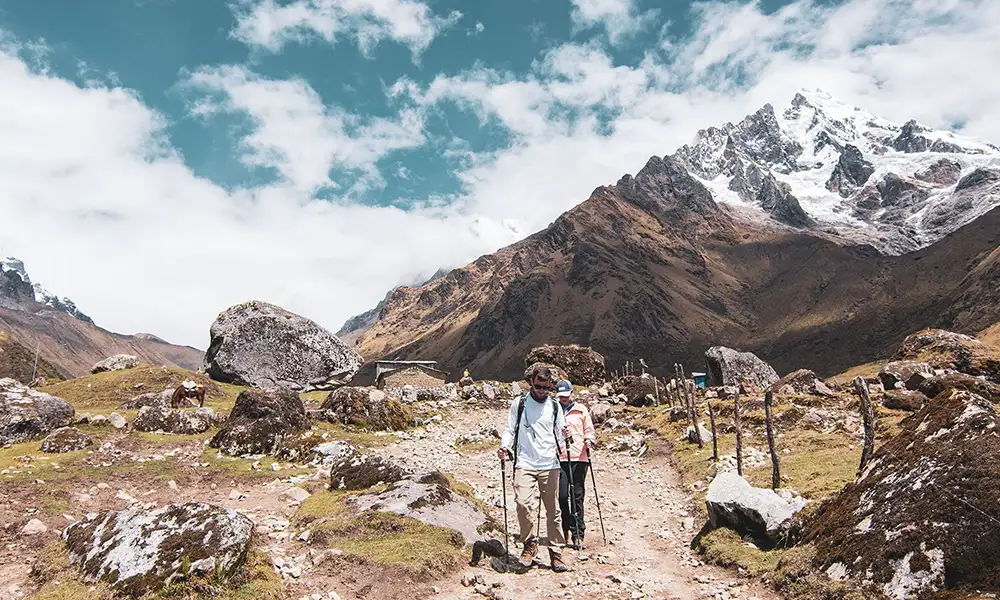
The Salkantay Trek has become a favorite among travelers seeking an authentic alternative to the classic Inca Trail. Along this journey, you’ll experience the spiritual essence of the Andes, the power of the sacred mountains, and the beauty of ecosystems that change daily.
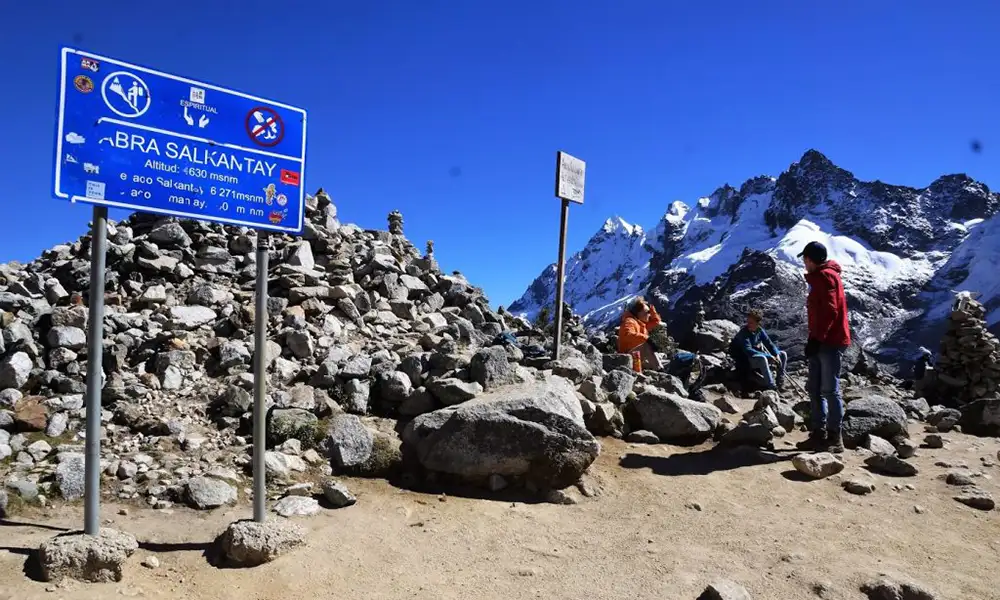
Covering over 70 kilometers in 5 intense days, you’ll hike alongside glaciers, cross the trek’s highest pass at nearly 4,630 meters, sleep under starry skies, traverse vibrant cloud forests, and finally arrive at Machu Picchu with an unparalleled sense of accomplishment.
This blog offers everything you need to know: physical preparation, acclimatization, what to pack, expert advice, extended itinerary, weather, safety, food, and much more.
Get ready for the adventure of a lifetime.
1. What is the Salkantay Trek and why is it so special? 🏔️✨
The Salkantay Trek is a challenging adventure trek that crosses the Vilcabamba mountain range and connects to the Historic Sanctuary of Machu Picchu. It is an ancient route used by the Incas to connect their agricultural lands, temples, and ceremonial centers.
🌟 Reasons why the Salkantay Trek stands out:
- A route with less tourist traffic than the Inca Trail.
- Almost cinematic landscape changes.
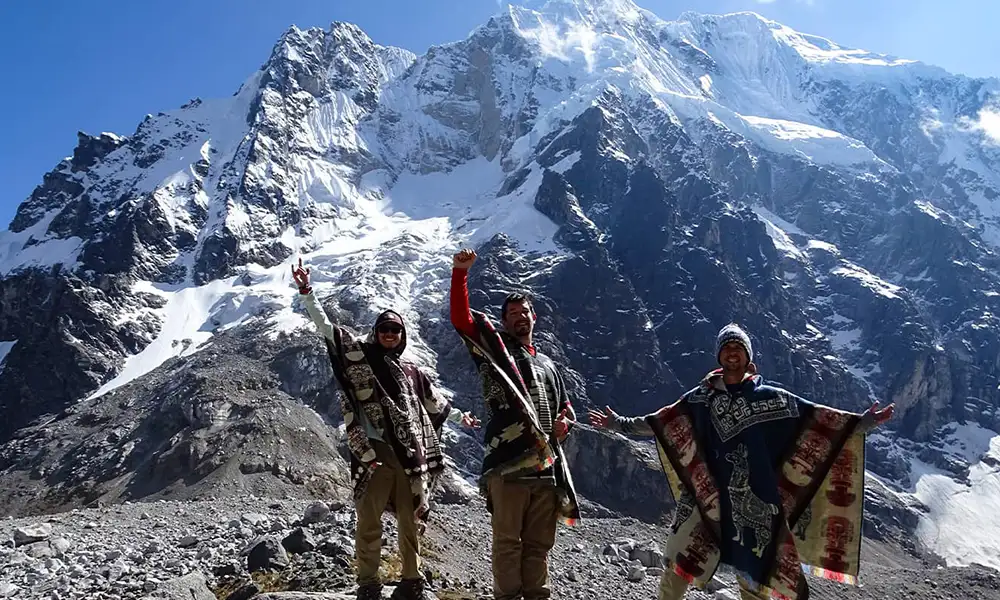
- Proximity to Apu Salkantay, the sacred mountain of the Andes.
- Flexible dates (no limited permits required).
- Greater contact with local communities and rural life.
- Perfect for photography, nature, and authentic hiking.
It’s not just a trek; it’s a path of transformation: physical, emotional, and spiritual.
2. Complete Physical Preparation for the Salkantay Trek 💪🏽⛰️
To fully enjoy this trek, good physical preparation makes all the difference. While you don’t need to be an expert mountaineer, you do need endurance, leg strength, and good breathing.
🟩 Recommended Training (4 to 6 weeks before)
🦵 Leg Strength:
- Squats
- Lunges
- Heel Raises
- Stair Climbing
💨 Endurance:
- Long hikes (10–15 km)
- Light jogging
- Cycling
- Walking with a 5–7 kg backpack
🧘 Flexibility:
- Daily stretching
- Yoga or hip mobility exercises
- Breathing exercises
🎒 Train with a backpack
Simulate the weight of the trek by walking with a backpack for 1–2 hours several times a week.
🟩 Expert Recommendation:
Do at least a 20 km hike before the trip. This will give you the necessary physical and mental confidence.
3. Mental Preparation: 50% of Success 🧠🔥
Many trekkers agree on one thing:
the Salkantay Trek is overcome more with the mind than the body.
This trail has tough days, changing weather, moments of fatigue, and altitude. To stay strong:
Mental Preparation Tips:
- Accept that you will get tired, but it will pass.
- Focus on your breathing, not your speed.
- Repeat mantras like “one more step” or “breathe and keep going.”
- Constantly remind yourself why you started this trek.
- Take photos, breathe deeply, connect with the landscape.
The mountain rewards those who remain calm and consistent.
4. Acclimatization: Your Best Ally Before the Trek 🏔️💨
Altitude sickness is real and can affect even athletic people. That’s why acclimatizing is key to enjoying the experience.
What to do in your 2–3 days in Cusco before the trek:
- Walk slowly around the city.
- Drink plenty of water.
- Drink coca or muña tea.
- Eat light meals.
- Avoid alcohol and fatty foods.
- Climb to sites like Sacsayhuamán to acclimatize.
Normal mild symptoms:
- Mild headache
- Shortness of breath
- Fatigue
Warning signs:
If you experience severe dizziness, vomiting, or difficulty breathing, you should rest, hydrate, and notify a guide or professional.
5. What to Pack for the Salkantay Trek (Complete and Extended List) 🎒🔥
The weather in Salkantay is unpredictable: you can experience intense sun, rain, extreme cold, and humidity, all in the same day.
Therefore, you should bring:
🧥 Clothing:
- Thermal jacket for sub-zero temperatures
- Full waterproof jacket
- Quick-drying shirts
- Fleece or mid-layer jacket
- Trekking pants
- Thermal socks (3 pairs)
- Warm sleepwear
- Hat, gloves, and buff
🧰 Technical Equipment:
- Trekking poles
- Sleeping bag (-10°C if not included)
- Lightweight backpack (20–30 L)
- Headlamp
- Camelback or 2 L water bottle
- First aid kit
- Portable charger (power bank)
🧴 Personal Hygiene:
- Toilet paper
- Wet wipes
- Antibacterial gel
- Toothbrush and toothpaste
- Sunscreen
- Insect repellent
🧾 Documents and Money:
- Passport
- Tickets
- 150–200 soles in cash
- Travel insurance (recommended)
- Have the right equipment It enhances the experience 100%.
6. Food During the Salkantay Trek 🍲🍃
Mountain cooks are true heroes.
The food is hot, nutritious, plentiful, and surprisingly delicious.
🍽️ What’s usually included?
- Energizing Breakfast
- Hot lunch with soups, rice, pasta, and protein
- Full dinner
- Herbal tea throughout the night
- Snacks for the trek
🥦 Customized options:
- Vegetarian
- Vegan
- Gluten-free
- Lactose-free
- Specific allergies
- Just let us know before the trek.
7. Ultra Extended Salkantay Trek Itinerary (Day by Day) 🗺️🔥
This is the most detailed itinerary you’ll find.
🌟 Day 1: Cusco – Mollepata – Soraypampa – Humantay Lagoon
- Easy hike but at high altitude
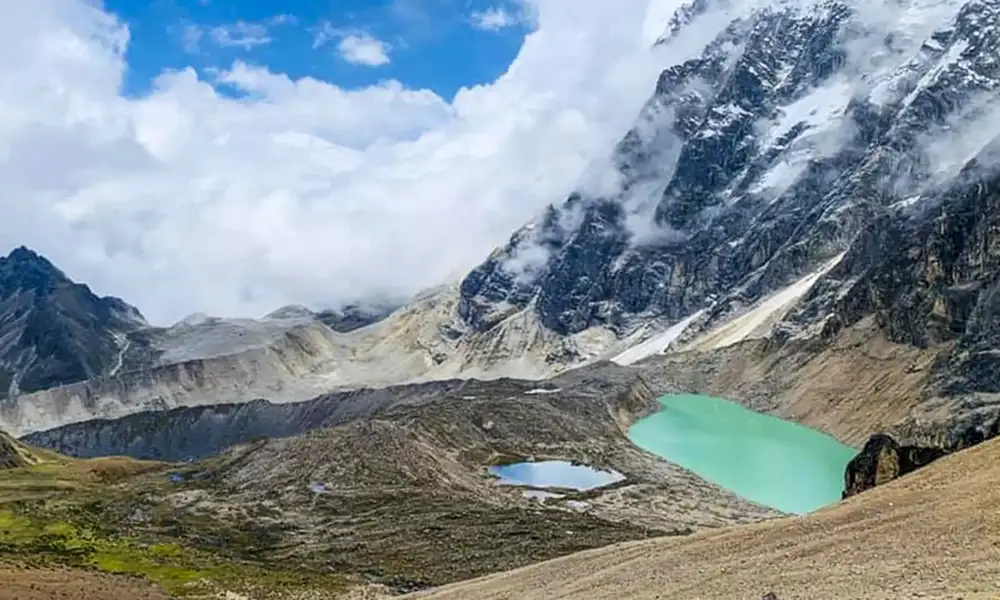
- Explore Humantay Lagoon, one of the most beautiful in Peru
- First camp at the foot of Nevado Salkantay
Tip: Stay well hydrated today to better prepare for Day 2.
❄️ Day 2: Soraypampa – Salkantay Pass – Huayracmachay – Chaullay
- The most demanding day of the trek.
- Ascent to Salkantay Pass (4,630 m)
- Spectacular views of the Salkantay Glacier
- Descent into a temperate climate
- Trail full of climatic contrasts
Recommendation: Breathe deeply, move slowly, use trekking poles, and enjoy the mountain.
🌿 Day 3: Chaullay – La Playa – Lucmabamba
Complete landscape transition.
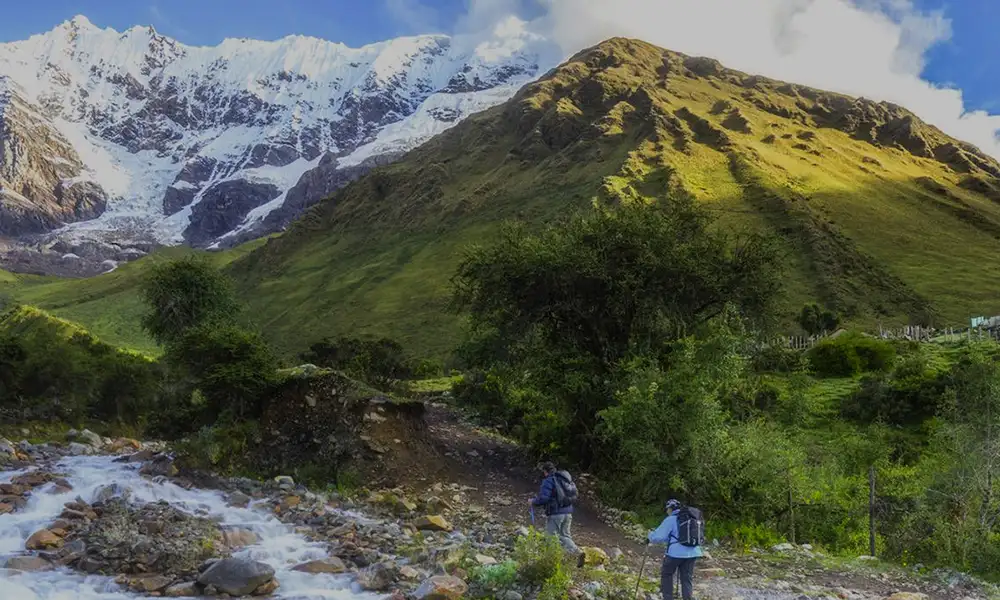
- Tropical Rainforest
- Coffee, fruit, and organic crops plantations
- Pleasant hike through dense vegetation
- Possible visit to local families
- This day is ideal for recharging.
🌞 Day 4: Lucmabamba – Llactapata – Hydroelectric Plant – Aguas Calientes
One of the most beautiful days of the trek.
Ascent to the Llactapata archaeological site
Unique and spectacular view of Machu Picchu from a distance
Final stretch to the Hydroelectric Plant
Final hike to Aguas Calientes
Tip: Save energy for the ascent to Llactapata; it’s worth it.
🌄 Day 5: Aguas Calientes – Machu Picchu – Cusco
The most anticipated day.
- Entrance to Machu Picchu at dawn
- Full tour
- Free time for photos
- Return by train to Cusco
The thrill of arriving at Machu Picchu after crossing mountains, valleys, and rainforest is indescribable.
8. Weather and Best Time to Do the Salkantay Trek 🌦️📅
⭐ Dry Season (April – October)
- Best weather
- Very cold nights
- More tourists
- Clear landscapes
⭐ Rainy Season (November – March)
- Slippery trails
- Fewer travelers
- Greener nature
- Warmer temperatures
Best month of the year: June and July (clear skies and dry weather).
9. Final Tips for a Successful Trek 💡🔥
- Walk at your own pace
- Get a good night’s sleep
- Don’t underestimate the weather
- Wear sunscreen every day
- Stay hydrated
- Eat as much as you can to maintain your energy
- Connect with the communities and nature
- Take photos, but also enjoy the moment
- Listen to your guide: their experience is invaluable
10. Is the Salkantay Trek Safe? 🚑✔️
Yes, provided it’s done with a reputable agency and trained guides.
What your tour operator should include:
- Complete first-aid kit
- Available oxygen
- Altitude sickness assistance
- Emergency horse
- Constant communication
- Safe meals
- Checked camping equipment
The Salkantay Trek is one of the most intense, unforgettable, and spiritual journeys you can take in Peru. It’s not just about reaching Machu Picchu, but about experiencing a profound personal transformation surrounded by majestic landscapes, sacred mountains, and unique experiences.
With the right preparation, a positive attitude, and this comprehensive guide, you’ll be ready to fully enjoy it and experience an adventure you’ll remember forever.