

How to Acclimate Properly for the Salkantay Trek
Conquer the 4,630 m of the Salkantay Pass with safety, preparation, and confidence 🏔️
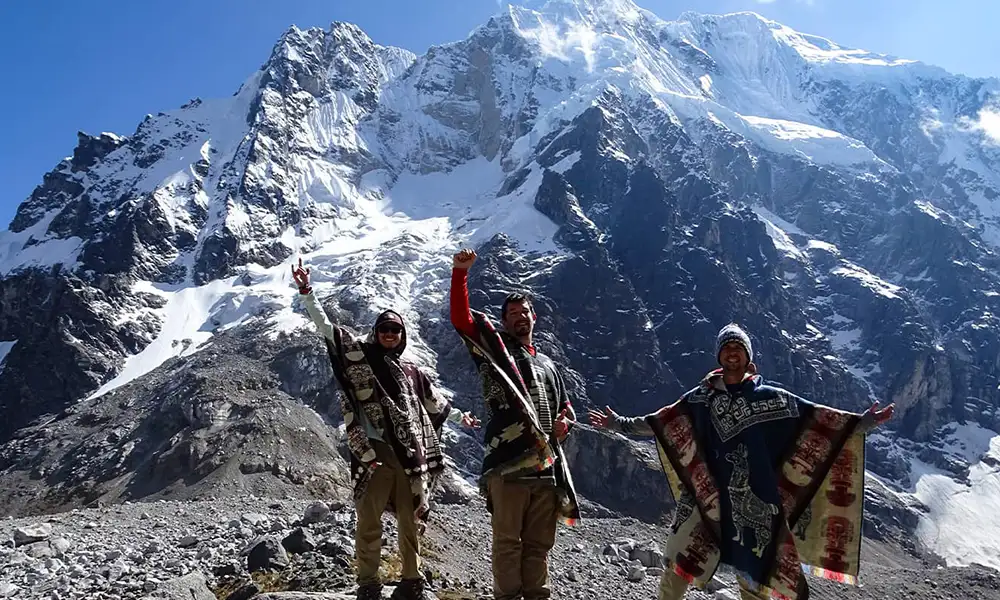
Hiking the Salkantay Trek to Machu Picchu is a transformative experience. But it’s also a real challenge: you’ll reach altitudes of over 4,600 meters above sea level, cross cold and windy areas, and experience abrupt changes in weather.
The key to enjoying this trip without suffering from altitude sickness (soroche) is to ACCLIMATE PROPERLY.
In this SUPER COMPLETE guide you will learn:
- How acclimatization works on a physical and scientific level
- How many days you need and what to do each day
- Advanced breathing techniques
- Tips for different types of travelers
- What to eat and what to avoid
- What medications to use with a doctor’s approval
- What to do if symptoms appear
- How to acclimatize DURING the trek
- Psychological, emotional, and training tips
- A list of mistakes 90% of travelers make
- Recommended illustrations (with SEO-friendly ALT TEXT)
🌍 1. Why does altitude affect the Salkantay Trek so much?
The Salkantay Trek reaches its highest point at the Salkantay Pass (4,630 m). At this altitude:
- There is 40% less oxygen than at sea level.
- Atmospheric pressure decreases.
- The lungs have to work harder.
- The heart rate increases.
- The blood carries less oxygen with each breath.
For most people, altitude causes:
- rapid breathing
- dizziness
- headache
- sudden fatigue
- shortness of breath
- nausea
- insomnia
But most importantly: the body can adapt.
It just needs time and the right techniques.
❤️🩹 2. What exactly is acclimatization?
Acclimatization is a physiological process where your body adapts to the lower oxygen pressure.
These are the 6 main changes that occur when you adapt:
1️⃣ Increased red blood cell production
The bone marrow produces more red blood cells that carry oxygen.
2️⃣ Increased heart rate
The heart pumps more blood to compensate.
3️⃣ Deeper Breathing
The lungs increase their capacity to take in oxygen.
4️⃣ Capillary Expansion
The body creates additional micro-blood vessels.
5️⃣ Activation of Erythropoietin (Natural EPO)
Stimulates the production of blood cells.
6️⃣ Blood pH Regulation
Helps maintain a proper balance in respiration.
This process takes between 24 and 72 hours at moderate altitudes
and longer at extreme altitudes.
That’s why you CAN’T arrive in Cusco and do Salkantay the next day.
📅 3. How many days do you need to acclimatize? (According to altitude experts)
After analyzing mountaineering medicine studies:
⭐ Minimum recommended → 2 days
⭐ Ideal and safe → 3 days
⭐ For sensitive individuals → 3 to 4 days
⭐ Well-trained athletes → 1 day (not ideal)
The important thing is that your body goes through a gradual adaptation process before unexpectedly reaching Soraypampa (3,900 m).
🧭 4. Master Acclimatization Schedule
📆 Day 1 – Arrival in Cusco (3,399 m): Initial Acclimatization
✔ What to do:
- Rest for 2–4 hours
- Take a gentle walk in the city center
- Drink coca or muña tea
- Eat a light meal
- Go to bed early
- Drink at least 2–3 liters of water
✔ Ideal activities:
- Plaza de Armas (Main Square)
- San Blas neighborhood
- San Pedro Market
- San Cristóbal viewpoint (climb very slowly)
❌ Avoid:
- Alcohol
- Running or climbing stairs quickly
- Fatty foods
📆 Day 2 – Active Acclimatization: Controlled exposure to altitude
✔ What to do:
- Take a gentle walk to Sacsayhuaman
- Take short tours within Cusco
- Climb hills at a slow pace
- Eat carbohydrates
- Hydrate every hour
✔ Activities Recommended:
- Qenqo
- Cristo Blanco
- Puka Pukara
📆 Day 3 – Deep Acclimatization (highly recommended)
This day makes all the difference in avoiding altitude sickness.
✔ Perfect Activities:
- Sacred Valley Tour
- Tambomachay Hike
- Chinchero Walk (3,800 m)
- Your body will get used to ascending and descending at different altitudes, which accelerates natural acclimatization.
🍽️ 5. Ideal Diet for Acclimatization
🥗 IDEAL FOODS:
- Quinoa soups
- Hot soups
- Grilled chicken
- Cooked vegetables
- Pasta
- Bread
- Fruits for energy
- Carbohydrates help because they require less oxygen to be digested.
🍽️ FOODS TO AVOID:
- Red meat
- Heavy meals
- Spicy foods
- Fried foods
- Junk food
🫖 ANDEAN INFUSIONS:
- Coca tea
- Muña (a type of mint)
- Anise
- Ginger
- These infusions aid digestion and oxygenation.
🚫 6. Alcohol, cigarettes, and coffee: How do they affect you?
❌ Alcohol:
- Dehydrates you
- Increases headaches
- Disrupts sleep
- Affects blood pressure
- Avoid it for the first 48 hours.
❌ Cigarettes:
- reduce lung capacity
- hinder oxygenation
☕ Coffee:
- can be consumed, but in moderation
- avoid more than 1–2 cups on the first day
🧘♂️ 7. Advanced Breathing Techniques
🫁 1. Deep Diaphragmatic Breathing
Increases lung capacity.
Perform 5 cycles every 2–3 hours.
🧘♂️ 2. Wim Hof Method (gentle high-altitude version)
- Inhale deeply
- Exhale slowly
- Repeat 30 times
- Don’t hold your breath too long at high altitude.
🧗♂️ 3. Step-Breath Technique
For strenuous ascents:
- 2 steps – 1 breath
- 3 steps – 1 breath
⚠️ 8. Warning Signs: Mild, Moderate, and Severe Symptoms
🟡 Mild:
- Headache
- Low energy
- Slight dizziness
- Loss of appetite
🟠 Moderate:
- Persistent pain
- Nausea
- Lack of coordination
🔴 Severe (DANGER):
- Repeated vomiting
- Confusion
- Difficulty walking
- Bluish lips
👉 You must DESCENT immediately.
💊 9. Recommended Medications
Acetazolamide (Diamox):
- Accelerates acclimatization
- Decreases intracranial pressure
- Aids in sleeping at altitude
Sorojchi Pills:
- Relieve mild symptoms
Ibuprofen / Paracetamol:
- For headaches
Supplemental Oxygen
- Available at Salkantay camps.
🏔️ 10. How to Acclimatize DURING the Salkantay Trek
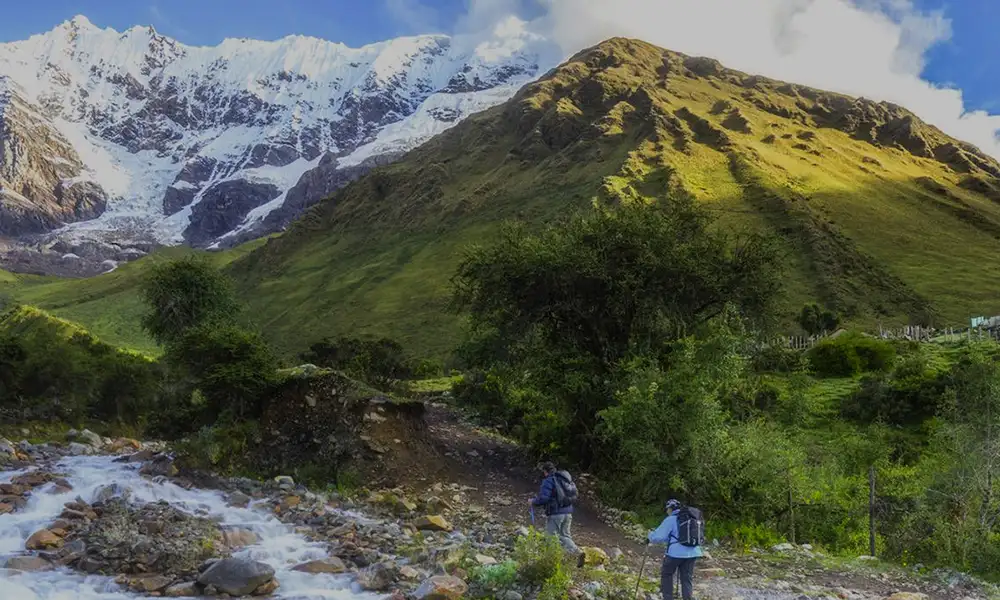
🥶 DAY 1 – SORAYPAMPA (3,900 m)
- Walk slowly
- Use trekking poles
- Avoid rushing to reach Humantay Lagoon
- Stay hydrated
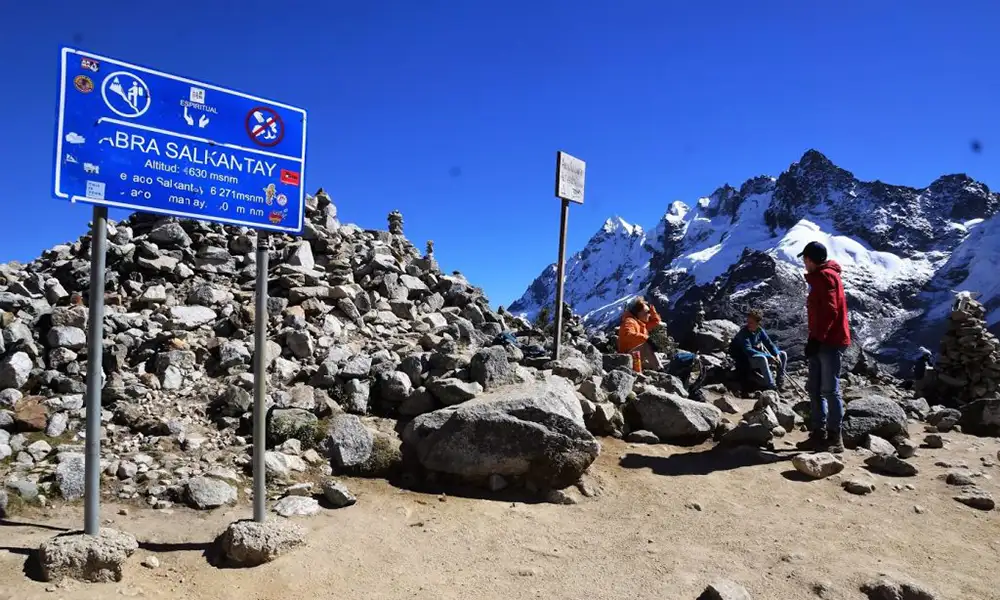
❄️ DAY 2 – ABRA SALKANTAY (4,630 m)
- The toughest day.
- To avoid altitude sickness:
- Ascent in a zigzag pattern
- Use deep breathing
- Eat small snacks
- Avoid constantly looking upwards (mental fatigue)
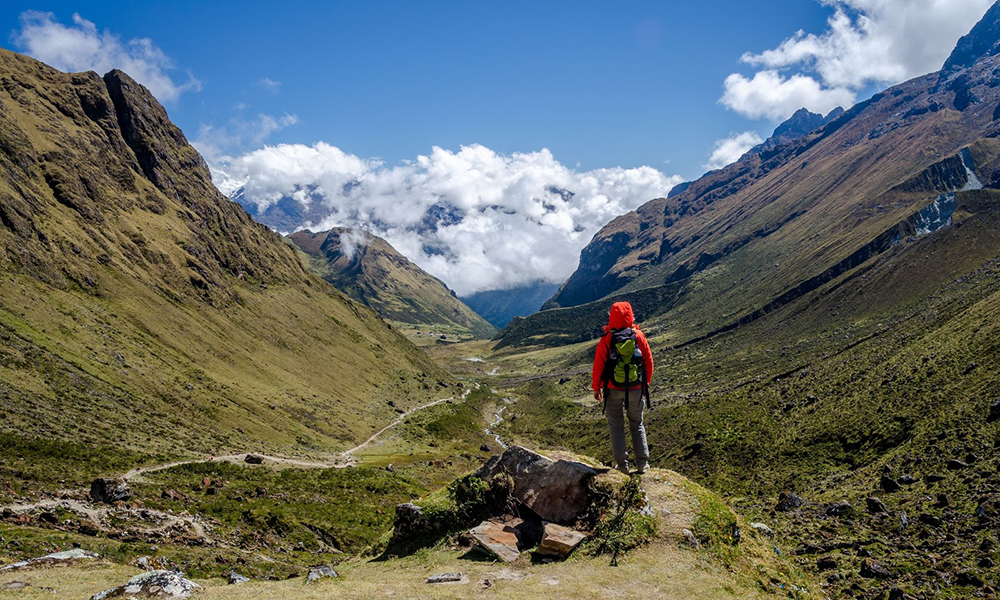
🌿 DAY 3 – CHAULLAY (2,800 m)
- The altitude decreases → your body improves considerably.
- Here, the risk of altitude sickness is reduced.
🌴 DAYS 4 and 5 – HIGH JUNGLE AND HOT SPRINGS
Abundant oxygen → better energy, better mood.
🧠 11. Emotional and mental acclimatization
Your mind helps you more than you think.
✔ Avoid comparing yourself to others
Every body is different.
✔ Maintain a positive attitude
Reduce anxiety → improve breathing.
✔ Take mindful breaks
- Observe the scenery
- Breathe
- Give thanks
- Keep going
👥 12. Acclimatization according to traveler type
🧗♂️ Athletes
- recover faster
- risk: going too fast
🧳 Backpackers
- tend to have more experience at altitude
👵 Over 50s
- acclimatization is slower
- important: walk gently and drink water
❤️🩹 People with health problems
- should consult a doctor
- use preventative medication
❌ 13. Mistakes most travelers make
- Arriving in Cusco and climbing Humantay on the same day
- Not sleeping well
- Eating heavy meals
- Walking fast to “not fall behind”
- Forgetting snacks
- Not using trekking poles
- Not communicating symptoms to the guide
- Listening to other travelers who say “it’s not nothing”
🌡️ 14. Does the weather affect acclimatization?
Yes.
Dry season:
- extreme cold at night → more effort
- faster dehydration
Rainy season:
- humidity → heavier breathing
- faster fatigue
🎒 15. List of items that aid acclimatization:
- coca leaves
- muña (a type of mint)
- sorojchi pills (altitude sickness pills)
- gloves
- hat
- snacks
- camelback (hydration pack)
- trekking poles
- rain poncho
Proper acclimatization is not a minor detail: it is the fundamental pillar that defines how you will experience the Salkantay Trek. This challenging trek, which reaches 4,630 m at the Salkantay Pass, demands respect, conscious preparation, and a gradual process so that your body can adapt to the altitude safely.
Every step you take before the trek—from resting in Cusco, drinking enough water, eating properly, and practicing breathing techniques—makes a real difference to your physical performance, emotional well-being, and safety on the mountain. Altitude is not an insurmountable obstacle; it’s part of the Andean charm and the profound connection with the sacred territory of the Apus (mountain spirits).
By following these recommendations, you can:
- significantly reduce the risk of altitude sickness,
- maintain your energy throughout each day,
- improve your breathing in challenging areas,
- enjoy the glacial landscapes of Salkantay,
- and arrive at Machu Picchu strong, proud, and fulfilled.
Remember: the mountain always rewards those who respect its rhythm. Acclimatizing with time and patience not only protects your health but also transforms your adventure into a much more human, mindful, and memorable experience.
If you prepare well, the Salkantay Trek won’t just be a hike… It will be a story you’ll carry with you for a lifetime.