

Discover the Salkantay Trek: The Most Epic Adventure to Machu Picchu
The Salkantay Trek is one of the most breathtaking routes to Machu Picchu, perfect for adventurers seeking a challenge filled with natural beauty and Andean culture. Through glaciers, deep valleys, and cloud forests, this five-day trek will take you along one of the most spectacular routes in Peru. If you’re looking for an alternative to the Inca Trail, the Salkantay Trek offers indescribable landscapes and a unique experience, far from the crowds.
1. General Information about the Salkantay Trek
- What is the Salkantay Trek and why do it?
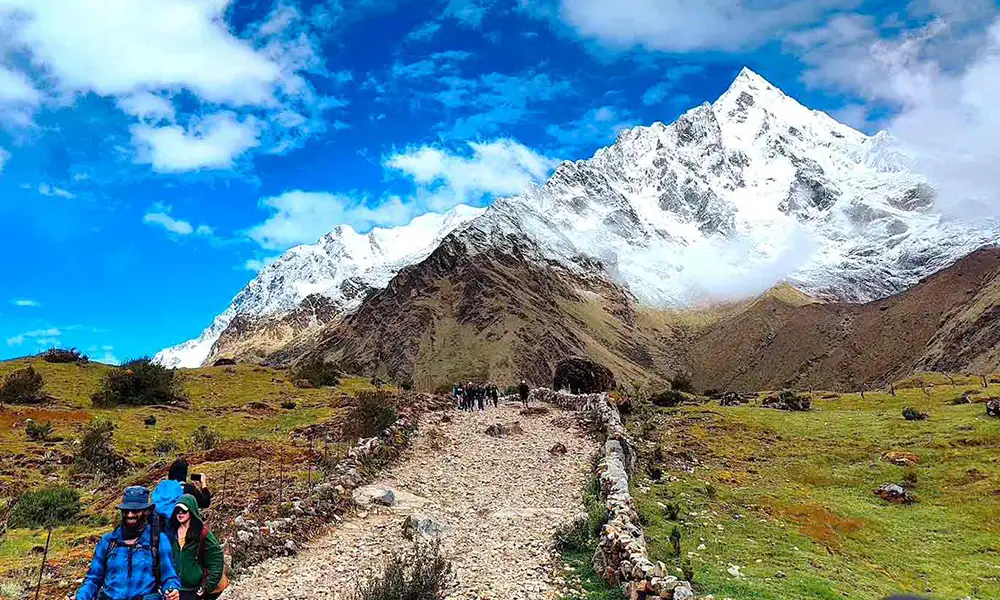
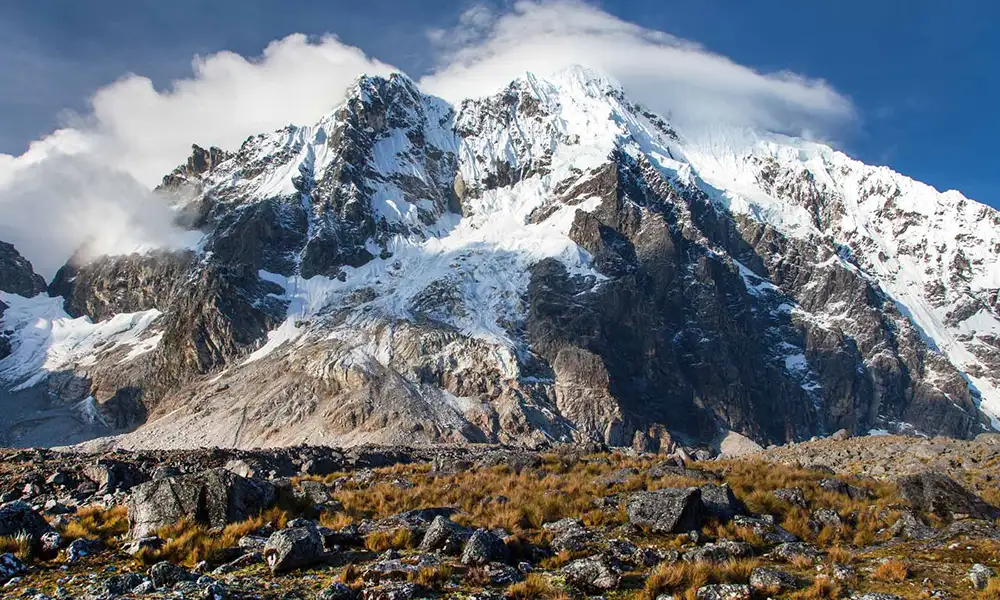
The Salkantay Trek is a 5-day trekking route that takes you from the Andean highlands to the gates of Machu Picchu, crossing mountains, jungles, and valleys. Its name comes from Salkantay, a majestic snow-capped mountain considered sacred by Andean communities. If you’re looking for an authentic and less crowded experience… The Salkantay Trek is a better option than the classic Inca Trail.
- What’s the difference between the Salkantay Trek and the classic Inca Trail?
Both routes lead to Machu Picchu, but the Salkantay Trek offers a greater diversity of landscapes and fewer crowds, making it an ideal choice for those seeking tranquility and a connection with nature. Additionally, the Inca Trail requires fewer permits, while the Salkantay Trek offers more flexibility.
- What exact route does the Salkantay Trek follow?
The Salkantay Trek begins in the picturesque town of Mollepata, near Cusco, and traverses diverse landscapes, including glaciers, cloud forests, and rivers, before ending in Aguas Calientes, from where you can ascend to Machu Picchu.
- How high is the highest pass (Abra Salkantay)?
Abra Salkantay, the highest pass on the trek, reaches 4,630 meters above sea level. It is the highest point. The culmination of the trek, where you’ll enjoy breathtaking views of the snow-capped Salkantay mountain.
- How many kilometers are covered in total?
The trek covers approximately 74 kilometers, which equates to several days of challenging hikes through diverse landscapes and terrains.
- What kind of landscape does the Salkantay Trek traverse?
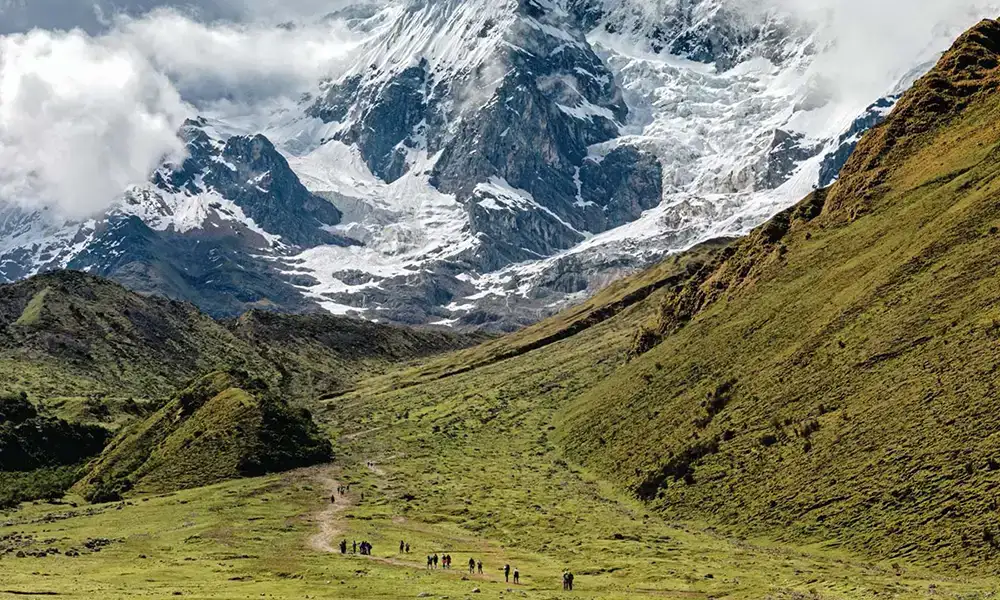
The trek passes through a diverse range of landscapes, from glaciers and mountain ranges in the high mountains to the lush rainforest in the lower reaches. Each day brings a new natural wonder.
- What is the history or meaning of the name “Salkantay” (Sallqantay in Quechua)?
In Quechua, “Salkantay” means “wild mountain.” It is considered one of the most imposing and sacred peaks in the Andean region, revered by local communities who regard it as a protective deity.
2. Preparations and Logistics
- How much does the Salkantay Trek cost?
The average cost of the Salkantay Trek varies depending on the season and the tour operator. But it generally ranges from $300 to $600 USD per person. This includes guides, transportation, meals, and some additional services.
- What does the typical package include?
Transportation from Cusco to Mollepata (start of the trek).
Meals: breakfast, lunch, and dinner during the trek.
Equipment: tent, cook, porters.A professional guide who will accompany you throughout the trek.
- Where does the trek start and how do I get there?
The trek begins in the town of Mollepata, which is reached from Cusco by a 2-hour bus ride. From there, the hike to the Soraypampa campsite begins.
- When is it cheapest/should I book in advance?
It is recommended to book at least 3-4 months in advance to get the best prices and secure your spot, especially if you plan to go during peak season (May to September).
3. Trekking Conditions and Difficulties
- What is the difficulty level of the Salkantay Trek?
The Salkantay Trek is considered moderate to difficult, as it involves hiking long distances at high altitude, with the highest pass at 4,630 meters (15,000 feet). It is recommended to be in good physical condition and acclimatize properly in Cusco before starting the trek.
- Is it necessary to acclimatize in Cusco before the trek?
Yes, it is essential to acclimatize in Cusco, which is at an altitude of 3,400 meters (11,000 feet), to avoid altitude sickness. We recommend spending at least 2-3 days in Cusco before starting the trek.
4. Equipment and Recommendations
- What should I pack in my backpack?
Appropriate clothing for cold and rain.
Comfortable and sturdy trekking boots.Waterproof jacket, gloves, and hat.
Sun protection, sunglasses, and sunscreen.
- Can I rent trekking equipment?
Yes, in Cusco you can rent equipment such as trekking poles, boots, sleeping bags, and more.
5. Accommodation and Campsites
- What are the typical accommodations during the Salkantay Trek?
The campsites are basic but comfortable, with tents, portable toilets, and communal eating areas. For the last few nights, in Aguas Calientes, you can stay in a hotel before visiting Machu Picchu.
6. Food services During the Trek
- What is the food like during the trek?
The food is usually local and nutritious, tailored to the trek’s energy needs. Vegetarian and vegan options are available upon request.
7. Safety and Emergencies
- Is there cell phone service during the trek?
Cell phone service is limited in the early stages of the trek, but it is available in Aguas Calientes and some areas of the jungle.
8. Other Activities and Attractions
- What other tourist attractions are near Salkantay?
Besides Machu Picchu, you can explore the Sacred Valley, the hot springs in Aguas Calientes, and Rainbow Mountain.
The Salkantay Trek is not just an adventure to Machu Picchu; it’s an experience that connects you deeply with Andean nature. If you’re looking for a challenging trek surrounded by breathtaking views, this is the perfect trail for you.