

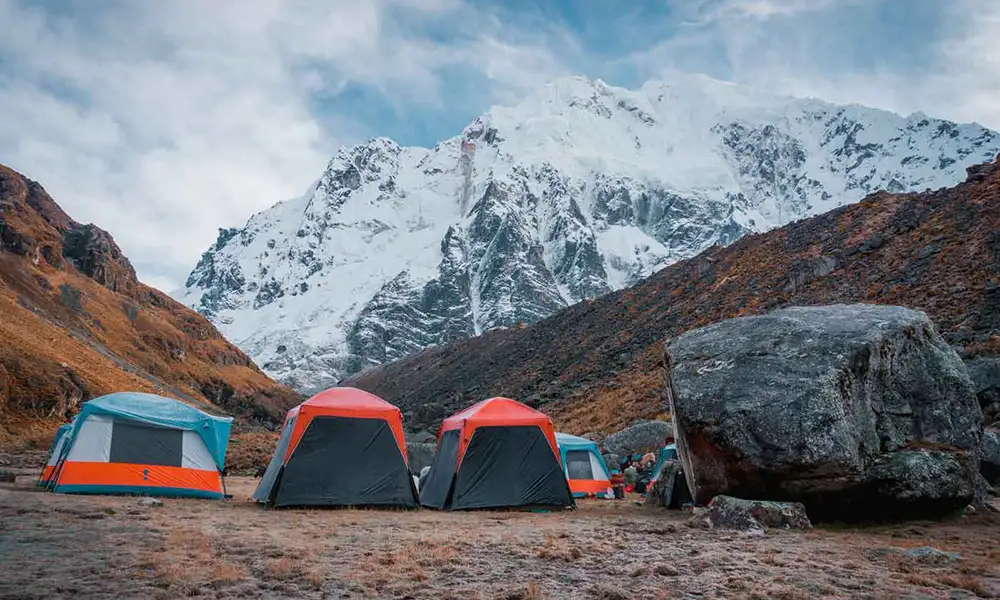
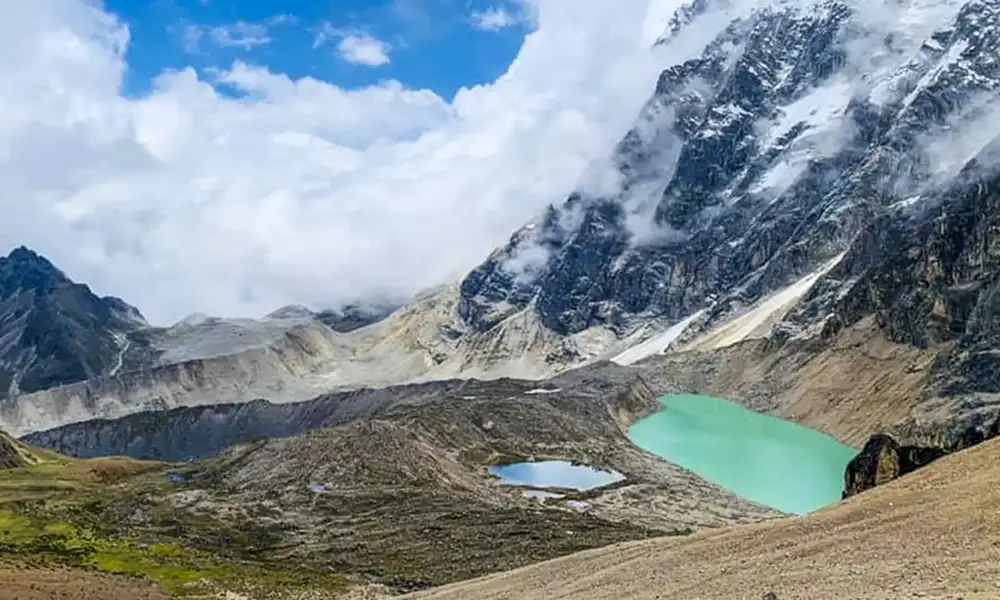
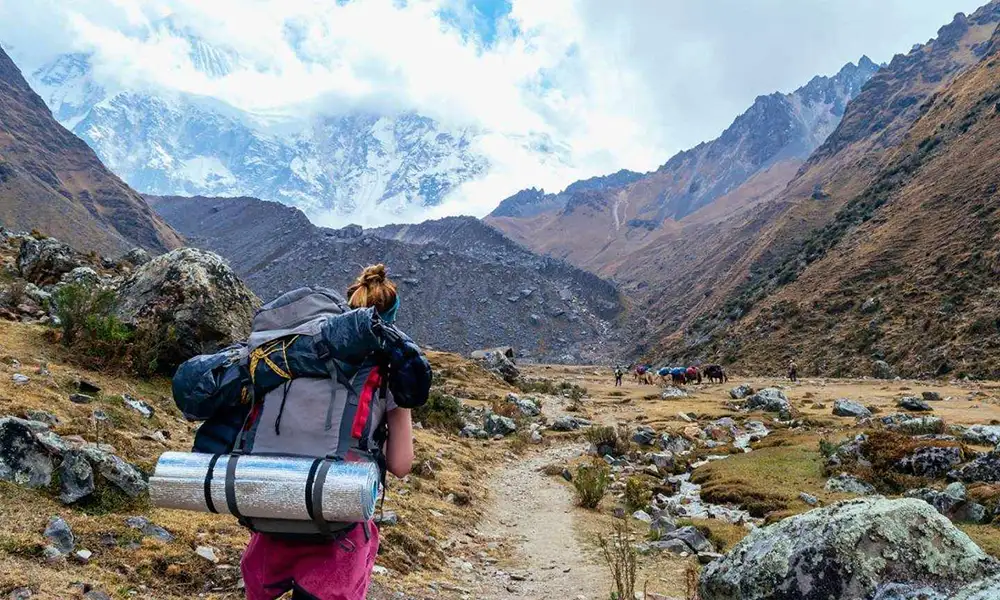
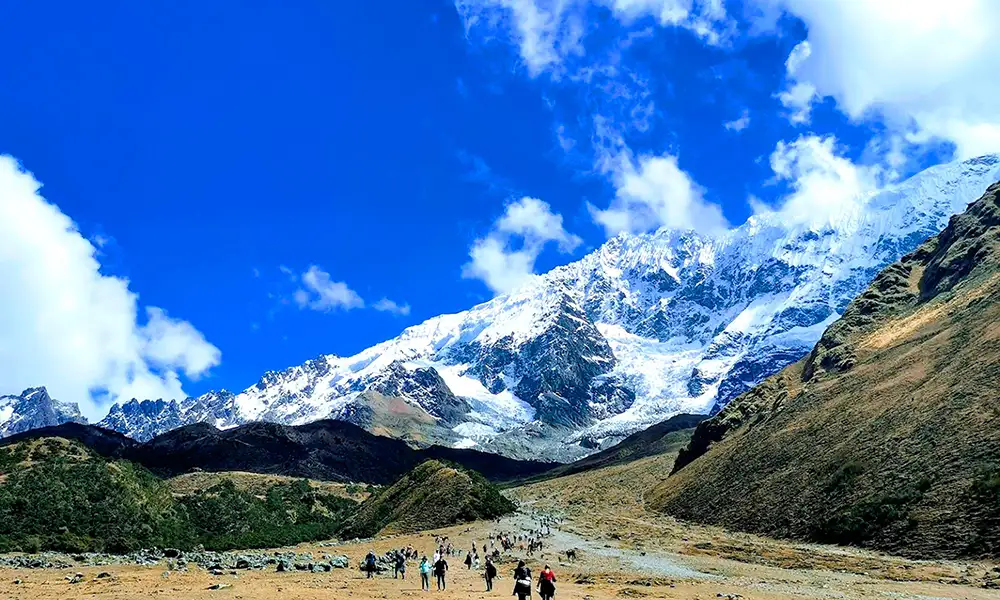
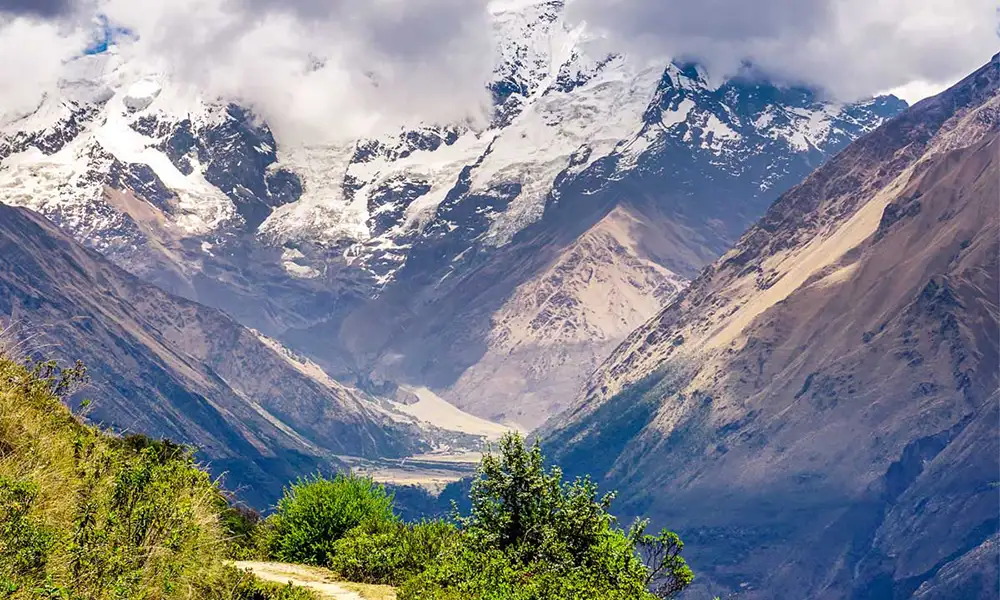
The Salkantay Trek is one of the most spectacular treks in Peru and the world. Few trails allow you to traverse five different ecosystems in just a few days: glaciers, Andean valleys, cloud forest, and high jungle.
But to fully enjoy it, you need to be well-equipped. Energy and motivation aren’t enough: the weather can change in minutes, the altitude can be more demanding than expected, and the daily hike can exceed eight hours.
This is the most complete and up-to-date list created especially for travelers in 2025. I’ll tell you not only what to bring, but why, how much, how to pack it, what to avoid, what the guides recommend, and advanced tips known only to those who have done this route several times.
Get ready, because this is an “expert-level” guide.
🌍 1. Why do you need such a complete list for the Salkantay Trek?
Because it’s not just any trek.
The Salkantay Trek involves:
- Altitudes between 1,900 m and 4,630 m
- Temperatures from -8°C to 26°C
- Unexpected rain
- Daily hikes of 6 to 10 hours
- Sudden weather changesGoing from snow-covered terrain to tropical rainforest in 48 hours
And most importantly: there are no shops or places to buy equipment along the route. What you bring from Cusco is what you’ll have for 5 days.
Good equipment can mean:
- Comfortable hikes
- Blister-free feet
- Dry clothes
- Restful sleep
- Safety from the elements
- A truly unforgettable experience
🎒 2. Complete List: What to Bring on the Salkantay Trek
✔ A. Backpacks and Storage
🎒 1. Daypack (25–35 L) – essential
It will be your main companion throughout the entire trek.
Must have:
- Padded straps
- Lumbar support belt
- Good ergonomic support
- Side water pockets
🧳 2. Duffel Bag (50–60 L)
The agencies provide a bag for the horses to carry your gear.
This is where you’ll store your clothes, sleeping bag, and other items you won’t be carrying while hiking.
🌧️ 3. Rain Cover
It can rain on the Salkantay even if the forecast says otherwise. A rain cover is mandatory.
🧼 4. Ziploc bags or dry bags
For:
- protecting electronic
- storing wet clothes
- separating dirty clothes
PRO TIP: Bring 6–8. You always run out.
🥾 B. Full Layered Clothing (Professional Mountain System)
The Salkantay requires a layering system (3 main layers).
🧥 1. Base Layer (Next to Skin)
It should be lightweight, thermal, and quick-drying.
Include:
- 2 or 3 technical polo shirts
- 1 long-sleeved thermal shirt
- 1 thin thermal leggings (for sleeping and walking in cold weather)
- Breathable underwear
Avoid cotton: it retains moisture and is heavier.
🧣 2. Mid Layer (Thermal Warmth)
This is the layer that retains body heat.
Include:
- 1 thick fleece
- 1 lightweight thermal jacket
- 1 thermal vest (optional)
🌧️ 3. Outer Layer (Weather Protection)
Ideal for rain, wind, and snow on the Salkantay Pass.
It should include:
- Waterproof jacket with hood
- Waterproof pants
- Reinforced rain poncho
- Emergency rain gear (extra)
PRO TIP: The Salkantay Pass can have snow even in May or June.
🧤 C. Clothing for extreme cold (Day 1 night and the pass)
- Thermal hat
- Thermal gloves (waterproof if it rains)
- Neck gaiter or buff
- Thick thermal leggings
- Alpaca wool thermal socks (2 pairs)
- Extra thermal shirt
Estimated temperature:
Soraypampa → -5°C
Salkantay Pass → -8°C to -3°C
🌴 D. Clothing for warm climate and high jungle
When you descend to the cloud forest, the climate changes completely.
Bring:
- 2 lightweight polo shirts
- Hiking shorts
- Thin, breathable socks
- Cool clothing for warmer weather
- Sun hat
🥾 E. Mandatory Footwear
1. Quality trekking boots
They must be:
- Waterproof (Gore-Tex is ideal)
- Mid- or high-cut
- Vibram or similar soles
- Broken in before the trek
Never wear new boots on Salkantay.
2. Sandals or Crocs
To rest your feet at campsites.
3. Trekking Socks
- 2 thick pairs
- 3 lightweight pairs
- 1 blister-resistant pair
🛌 F. Sleeping Gear (Your rest is everything)
- Sleeping bag rated to -10°C (dry season)
- Sleeping bag rated to 0°C to -5°C (rainy season)
- Liner
- Inflatable pillow
- Sleep mask (optional)
- Earplugs (if camping near large groups)
PRO TIP: Campsites can be cold and noisy, especially Soraypampa.
🧼 G. Personal Hygiene
- Toothbrush + Toothpaste
- Wet Wipes
- Toilet Paper
- Microfiber Towel
- Biodegradable Shampoo and Soap
- Deodorant
- Small Perfume
- Moisturizer (the cold dries out the skin)
- Antibacterial Gel
- Comb or Brush
IMPORTANT:
Salkantay camps do NOT always have showers.
💊 H. Professional Personal First Aid Kit
Although agencies carry first aid kits, your personal kit is crucial.
Include:
- Ibuprofen
- Paracetamol
- Altitude sickness pills (as prescribed by a doctor)
- Oral Rehydration Solution
- Water Purification Tablets
- Band-Aids
- Bandages
- Hand Sanitizer
- Anti-inflammatory Ointment
- Blister Ointment
- Antihistamines
- Small Scissors
🔋 I. Electronics and Photography (Complete List)
- Cell Phone
- Backpack
- Professional camera or GoPro
- Extra SD cards
- 20,000 mAh power bank
- Headlamp
- Portable battery charger
- Spare cable
- Universal adapter
- Waterproof phone case
IMPORTANT: There is no electricity at the Day 1 and Day 2 campsites.
🥤 J. Hydration and energy snacks
For water:
- 1–2 liter bottle
- Optional CamelBak
- Water purification tablets
- Electrolytes
Recommended snacks:
- Energy bars
- Peanuts, walnuts, almonds
- Dark chocolate
- Dried fruit
- Crackers
- Energy gel (optional)
PRO TIP: Bring snacks you usually eat; avoid trying new things.
🪪 K. Required Documents
- Passport or National ID
- Travel Insurance (a must)
- Machu Picchu Ticket
- Train Ticket (if not included)
- Hotel Card in Aguas Calientes
- Cash (Soles)
🧷 L. Extras That Make a Difference (few bring these)
- Mini Thermos for Hot Drinks
- Thin Rope for Hanging Clothes
- Trash Bags
- Duct Tape
- Multi-tool
- Notebook + Pencil
- Extra Socks
- Mosquito Repellent
- Sunscreen SPF 50+ (a must)
- Lipstick with SPF
🙅♂️ 3. What NOT to Bring on the Salkantay Trek (Common Mistakes)
- Jeans (heavy, don’t dry)
- Regular Sneakers
- Hard-shell Suitcases
- Cotton Clothing
- New Boots
- Laptop (not the You will use)
- Very bulky jackets
- Expensive jewelry or accessories
🧳 4. How much should your backpack weigh? (Ideal weight)
📌 Daypack: 5–7 kg maximum
📌 Bag carried by a horse: 5–7 kg allowed
If you carry more, you will walk more slowly and tire more easily in the Abra.
🎯 5. How to Pack Your Backpack for the Salkantay Trek (Pro Technique)
🟢 Bottom Layer:
- Lightweight Clothing
- Items You Won’t Use During the Day
🟡 Middle Layer:
- Water
- Snacks
- Rain Jacket
🔴 Top Layer:
- Jacket
- Camera
- Gloves
- Sunscreen
🔵 Side Pockets:
- Water Bottle
- Toilet Paper
- Gloves or Hat
🌦️ 6. Seasonal Equipment (Ultra-Precise Version)
❄️ Dry Season (April–October)
- Colder Nights
- Better Visibility
- You Need Extra Thermal Clothing
🌧️ Rainy Season (November–March)
- High-Quality Reinforced Poncho
- Waterproof Gaiters
- Extra Waterproof Bags
- Extra Socks (More Moisture)
🌟 7. Downloadable Checklist (included in text)
- Backpack 25–35 L
- Duffel bag 50–60 L
- Waterproof boots
- Thick fleece
- Waterproof jacket
- Waterproof pants
- -10°C sleeping bag
- Headlamp
- Power bank
- Snacks
- Water purification tablets
- Gloves, hat, buff
- Lightweight jungle clothing
- Sandals
- Toilet paper
- Microfiber towel
- Documents
- Insect repellent
- Sunscreen
- Reinforced rain jacket
🏁 8. Conclusion: The right gear defines your experience
The Salkantay Trek is a unique, intense, and transformative adventure.
Those who have the right gear:
- walk safely
- sleep better
- avoid illness
- enjoy every landscape
- arrive at Machu Picchu without suffering
With this complete 2025 checklist, you’ll have absolutely everything you need to experience the trek comfortably and safely.