

DESCRIPTION
The Great Andean Traverse Between Two Inca Jewels
The Choquequirao and Salkantay Tour is one of the most complete, challenging, and spectacular trekking routes in Peru. It connects two of the most important archaeological complexes in the Andean world: Choquequirao, the so-called sacred sister of Machu Picchu, and the legendary citadel of Machu Picchu, traversing some of the most extreme and beautiful landscapes of the southern Andes.
This trek is not just a hike; it is a historical and natural expedition that connects deep canyons, high mountain passes, sacred snow-capped peaks, and high jungle, following ancient Inca trails and ancestral routes of trade and pilgrimage.
The tour begins in Cusco and heads towards the Apurímac region to enter the Choquequirao route, a monumental archaeological site that remains relatively undiscovered and shrouded in mystery. After exploring its terraces, plazas, and temples, the journey continues toward the Vilcabamba mountain range, connecting with the Salkantay Trek, considered one of the most scenic hikes in Peru.
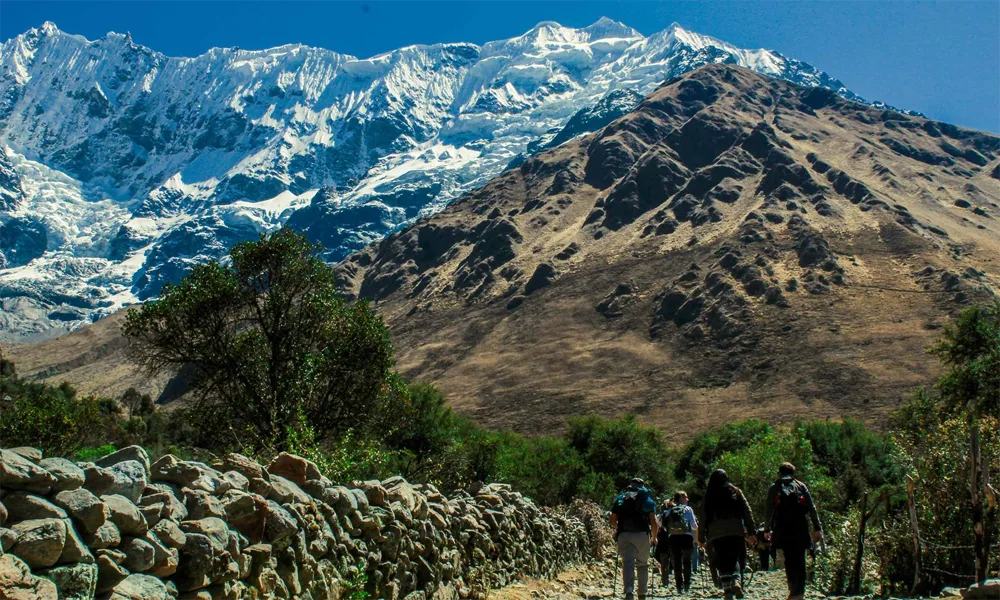
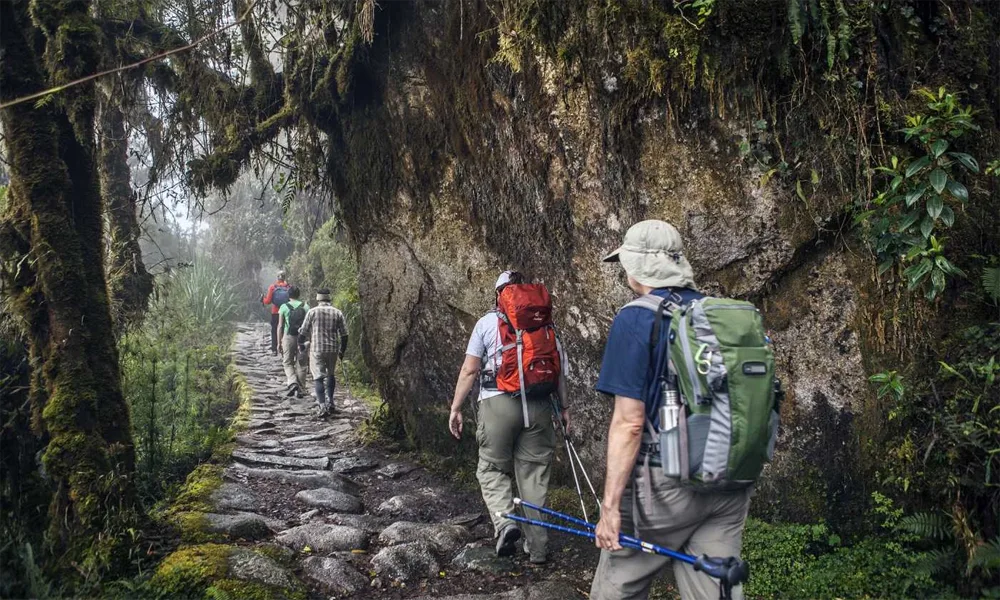
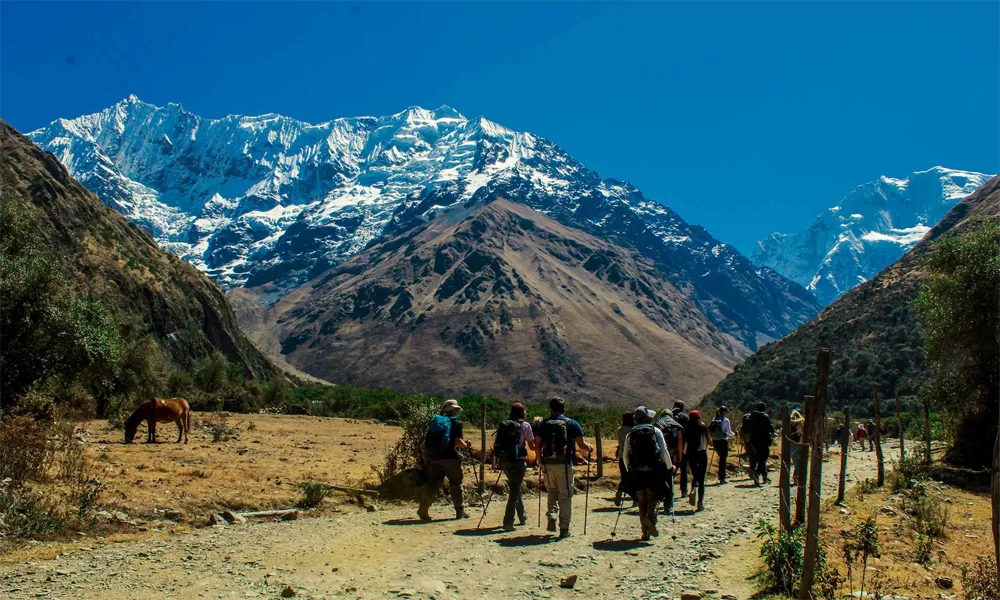
During the trek, travelers experience a constant change in ecosystems: from the Apurímac Canyon, one of the deepest in the Americas, to imposing glaciers like the Salkantay Glacier, glacial lakes, and cloud forests that herald the arrival at Machu Picchu. The trip culminates with a guided visit to the Inca citadel, the perfect end to an unforgettable expedition.
This tour is designed for experienced trekkers, adventurous travelers, and lovers of Inca history seeking an authentic experience, far from the crowds.
History and significance of the route
Choquequirao: the hidden sacred city
Choquequirao was an important political, religious, and administrative center of the Inca Empire. Its strategic location overlooking the Apurímac Canyon granted it territorial control and ceremonial significance. It is believed to have been one of the last bastions of Inca resistance against the Spanish conquest and a key point in the network of roads connecting the Amazon with Cusco.
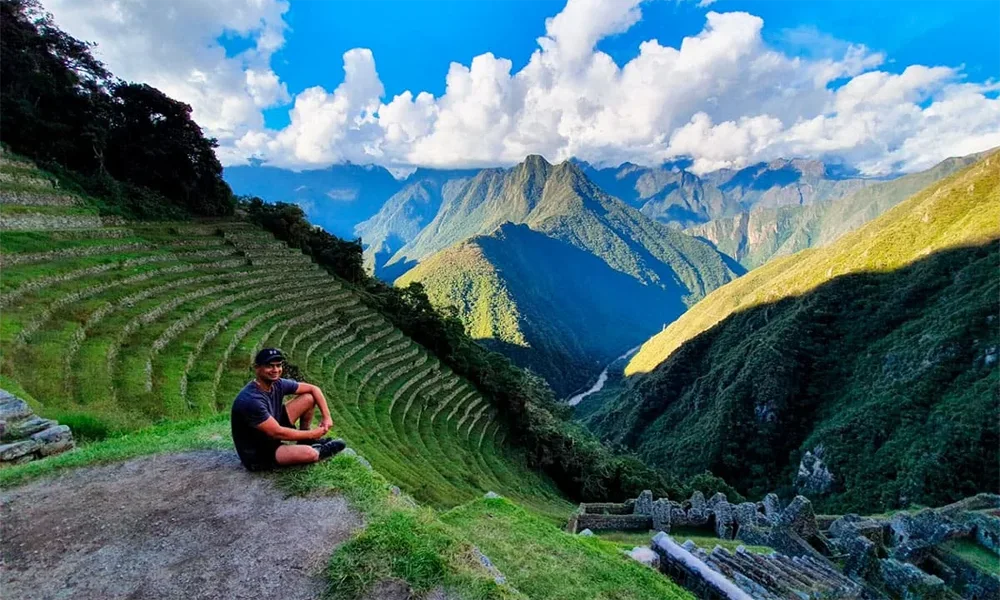
Unlike Machu Picchu, Choquequirao remains partially excavated, which reinforces its aura of mystery and authenticity. Walking through its plazas and terraces is like traveling to an untouched past.
Salkantay: The Apu of the Andes
The snow-capped Salkantay mountain is one of the most powerful Apus (mountain spirits) in the Andean worldview. For the Incas, this mountain represented the creative force of water and life. The Salkantay route was used as a ceremonial and alternative path to Machu Picchu, traversing high-altitude areas reserved for rituals and pilgrimages.
Connecting Choquequirao with Salkantay means traversing an Andean spiritual corridor, where geography, history, and culture merge into a profoundly transformative experience.
ITINERARY
Day 1: Cusco – Cachora – Capuliyoc – Chiquisca
Early departure from Cusco towards the town of Cachora (Apurímac). After breakfast, the hike begins from Capuliyoc, one of the most impressive viewpoints overlooking the Apurímac Canyon. From here, you can appreciate the depth of the canyon and, in the distance, the silhouette of Choquequirao.
The descent is long and demanding until you reach Chiquisca, crossing warm areas and semi-arid vegetation. Dinner and camp.
Day 2: Chiquisca – Playa Rosalina – Marampata
Descent to Playa Rosalina, crossing the Apurímac River via a suspension bridge. Then begins one of the most demanding ascents of the trek: a steady climb to Marampata, with unique panoramic views of the canyon.
The weather gradually changes, and the landscape becomes greener. Camp with privileged views of Choquequirao.
Day 3: Marampata – Choquequirao (Full Exploration)
Short hike to the Choquequirao archaeological complex, considered one of the last Inca strongholds. A day dedicated to in-depth exploration of the site:
- Main Plaza
- Ceremonial Temples
- Agricultural Terraces
- Llama Area
- Natural Viewpoints
In the afternoon, return to camp and rest.
Day 4: Choquequirao – Choquequirao Pass – Río Blanco
Early departure towards Choquequirao Pass, one of the highest points of the route. From here, a long descent begins towards the Río Blanco valley, crossing forests and wetter areas.
Arrival at the campsite by the river, ideal for resting and regaining energy.
Day 5: Río Blanco – Yanama Pass – Yanama
Gradual ascent to Yanama Pass, one of the most challenging sections of the entire expedition. The surroundings become completely Andean, with views of snow-capped peaks and high-mountain landscapes.
Descent towards the village of Yanama, where contact with local communities marks the end of the Choquequirao section and the transition to the Salkantay route.
Day 6: Yanama – Salkantay Pass – Collpapampa
Enter the Salkantay Trek route. Ascent to Salkantay Pass, dominated by the imposing snow-capped Salkantay mountain, considered a sacred Apu (mountain spirit). This is one of the highest points of the trek.
After the pass, a long descent begins towards Collpapampa, where the landscape changes dramatically to the high jungle.
Day 7: Collpapampa – La Playa – Hydroelectric Plant
Hike through the cloud forest, crossing coffee plantations, rivers, and lush vegetation. The climate is milder and the trail less demanding, ideal for regaining strength.
Arrival at the Hydroelectric Plant and final hike along the railway to Aguas Calientes. Overnight stay.
Day 8: Machu Picchu – Aguas Calientes
Very early, ascent to the citadel of Machu Picchu. Full guided tour of the most important areas:
- Temple of the Sun
- Sacred Plaza
- Intihuatana
- Main Terraces
Free time for photography and contemplation. Return to Aguas Calientes.
Day 9: Aguas Calientes – Ollantaytambo – Cusco
Return by tourist train to Ollantaytambo and transfer by land to Cusco. End of the expedition.
INCLUDES
WHAT’S INCLUDED IN THE TOUR?
This tour is designed as a comprehensive expedition, so it includes all the essential logistical services for safely completing the Choquequirao and Salkantay trek to Machu Picchu.
🚐 Transportation and Transfers
- Hotel pick-up (downtown Cusco).
- Private tourist transportation Cusco – Cachora – Capuliyoc (start of the trek).
- Internal ground transfers along the route, according to the itinerary.
- Transportation from the end of the trek to Ollantaytambo.
- Tourist train Aguas Calientes – Ollantaytambo.
- Tourist transportation Ollantaytambo – Cusco.
🧭 Professional Guide and Team
- Professional guide specializing in high-altitude trekking and expeditions.
- Official guide for the Machu Picchu visit.
- Complete support team:
- Camp cook.
- Muleteers with mules for transporting shared equipment.
- Ongoing assistance throughout the expedition.
- Pre-tour briefing.
🍽 Full board during the trek
- Daily energy breakfasts.
- Box lunches or hot lunches along the route.
- Hot dinners prepared by the camp cook.
- Daily snacks (fruit, energy bars).
- Vegetarian, vegan, or special diet options available (with prior arrangement).
⛺ Accommodation and camping
- Fully equipped campsites along the entire Choquequirao and Salkantay route.
- High-altitude sleeping tents (shared use).
- Dining and kitchen tents.
- Thermal sleeping mats.
- 1 night in a hotel in Aguas Calientes (tourist category).
🎒 Trekking logistics
- Transportation of shared equipment (tents, cooking equipment, food).
- Pack mules for general equipment.
- Bottles or buckets for boiled water at campsites.
- Management of authorized campsites.
🎟 Tickets and admission fees
- Entrance ticket to the Choquequirao Archaeological Complex.
- Entrance ticket to Machu Picchu (circuit subject to availability).
- Entrance fees to natural areas along the route.
- Required local and community permits.
🩺 Safety and assistance
- First aid kit.
- Portable oxygen.
- Basic emergency communication (depending on the area).
- Safety protocols and altitude training.
NOT INCLUDED
WHAT IS NOT INCLUDED IN THE TOUR?
For proper planning, the following services are not included in the package:
🍴 Meals not specified
- Breakfast on Day 1.
- Lunches and dinners in Aguas Calientes.
- Additional beverages (sodas, alcoholic beverages).
🧳 Personal equipment
- Personal trekking backpack.
- Hiking clothing and footwear.
- Headlamp, trekking poles.
- Sleeping bag (optional rental).
🚌 Optional services
- Round-trip bus transportation to Machu Picchu.
- Additional entrance fees:
- Huayna Picchu.
- Machu Picchu Mountain.
- Use of hot springs (if any are visited along the route).
💰 Personal expenses
- Tips for guides, cooks, and muleteers.
- Personal purchases and souvenirs.
- Snacks and beverages not included.
✈ External Transportation
- Air or ground transportation to/from Cusco.
- Transfers outside the established itinerary.
🛡 Other
- Travel insurance and/or accident insurance (highly recommended).
- Expenses arising from voluntary tour withdrawal.
- Expenses due to external causes (extreme weather, landslides, strikes).
RECOMMENDATIONS
IMPORTANT RECOMMENDATIONS
These recommendations are designed to ensure that travelers enjoy the expedition safely, in good physical condition, and with a positive experience on one of Peru’s most demanding routes.
🏔 Acclimatization and Physical Preparation
- It is recommended to stay at least 2 days in Cusco before the start of the tour.
- It is ideal to do some gentle walks beforehand (City Tour, Sacred Valley).
- This tour is not recommended for sedentary people.
- Suggested pre-tour training: walking, cycling, climbing stairs, or light trekking for 2–4 weeks.
🎒 Luggage and Organization
- Bring a daypack (20–30 L) for daily use.
- Main luggage travels on mules; do not overload your personal backpack.
- Layering clothing:
- Thermal base layer.
- Warm mid-layer (fleece).
- Waterproof/windproof mid-layer.
- Lightweight clothing for high jungle areas.
🥾 Footwear and Accessories
- Breaked-in hiking boots or shoes (not new).
- Trekking poles (highly recommended for descents).
- Gloves, a warm hat, and a sun hat.
- Headlamp with spare batteries.
- Sunscreen and UV-protective sunglasses.
💧 Hydration and Nutrition
- Drink water constantly, even if you’re not thirsty.
- Avoid alcohol and heavy meals before and during the trek.
- Consume energy snacks (chocolate, nuts).
- Eat even if your appetite decreases due to the altitude.
🩺 Health and Altitude
- Always move at your own pace, without competing.
- Immediately inform the guide of any symptoms such as severe headache, dizziness, or nausea.
- Bring any personal medication (with a prescription).
- The guide has oxygen and a first-aid kit, but prevention is key.
🌦 Weather and Season
- The weather is highly variable: intense sun, rain, wind, and cold can all occur on the same day.
- Always wear a raincoat.
- During the rainy season, the terrain can be slippery.
- Protect electronic equipment in waterproof bags.
🌱 Responsibility and Respect
- Do not leave any trash along the route.
- Respect the guide’s instructions and the rules at archaeological sites.
- Do not remove any flora, fauna, or archaeological remains.
- Support local communities respectfully.
FAQs
❓ FREQUENTLY ASKED QUESTIONS (FAQ)
1️⃣ How difficult is the Choquequirao + Salkantay tour?
It’s a challenging trek. It includes long ascents, technical descents, and high mountain passes. It’s recommended for travelers in good physical condition with prior experience.
2️⃣ Do I need prior trekking experience?
It’s not mandatory, but it’s highly recommended. People without experience should train beforehand and have good physical stamina.
3️⃣ What is the maximum altitude of the trek?
The highest point is reached at the Salkantay Pass, at over 4,600 meters above sea level, in addition to the Yanama Pass, both of which are demanding.
4️⃣ Can I rent trekking equipment?
Yes. In Cusco you can rent:
- Trekking poles
- Sleeping bag
- Thermal jackets
- The guide can advise you before the tour begins.
5️⃣ How do I sleep during the expedition?
Most nights you’ll sleep in equipped camps with cold-resistant tents and thermal sleeping mats. The last night is in a hotel in Aguas Calientes.
6️⃣ What happens if I’m affected by the altitude?
You must inform the guide immediately. Rest, hydration, and oxygen protocols will be implemented. If the discomfort is severe, the passenger’s safety will be the priority.
7️⃣ What kind of weather should I expect?
Variable weather:
- Intense cold in the high mountains.
- Temperate and humid in the high jungle.
- Possible sudden rain showers.
- Therefore, waterproof clothing is essential.
8️⃣ Is there cell phone or internet service?
Cell phone signal is limited or nonexistent along much of the route. Basic signal is only available in some villages.
9️⃣ How much weight can I carry in my backpack?
Your personal backpack should not exceed 6–7 kg. The rest of your luggage will be carried by mules (depending on tour conditions).
🔟 Is the tour safe?
Yes, provided you follow the guide’s instructions. The route is conducted with trained personnel, safety equipment, and emergency protocols.