

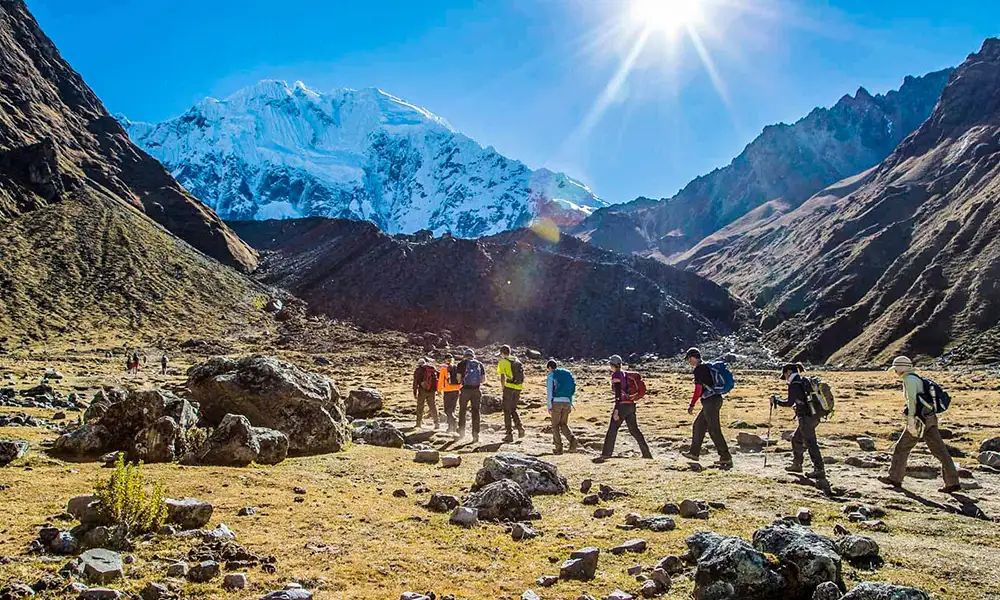
Everything You Need to Know to Venture Solo to Apu Salkantay
The Salkantay Trek has become one of the most popular routes for travelers seeking to reach Machu Picchu via a wild, intense, and contrasting trail.
And while most do it with an agency, every year hundreds of adventurers ask themselves:
Can I do it on my own?
Can I hike the 70 km without a guide, porters, or logistical support?
The answer is yes, but with some caveats. Hiking Salkantay independently is possible, but it requires preparation, experience, sound judgment, and a deep respect for the mountain.
This comprehensive guide, more extensive than any other, will explain absolutely everything involved in doing it independently, from logistics and costs to real-world weather conditions, risks, maps, necessary equipment, and professional recommendations.
🌄 1. Is it really possible to hike Salkantay on your own?
Yes.
Unlike the Inca Trail, the Salkantay Trek does NOT require special permits or daily limits.
It’s an “open” route, accessible to anyone who’s up for it.
However…
- ➡️ It’s physically demanding (70 km hike, 4,630 m maximum altitude).
- ➡️ There’s no cell phone service for most of the trek.
- ➡️ The weather can change drastically in minutes.
- ➡️ There aren’t always towns nearby to ask for help.
You can do it alone, but it’s not recommended for beginners or people without experience in self-sufficient trekking.
Who IS recommended to do it independently?
✔ Trekkers with prior experience on 2–5 day routes
✔ Travelers accustomed to hiking at high altitudes (4,000 m)
✔ People with basic navigation and map reading skills
✔ Travelers who know how to pitch a tent, cook, and manage equipment
✔ Adventurers in good or very good physical condition
For whom is this option NOT recommended?
✖ Beginners with no prior experience
✖ People who are unsure of their reaction to altitude
✖ Tourists without their own equipment
✖ People traveling with children
✖ Those seeking comfort or a “relaxed” trip
🏔️ 2. What exactly is it like to do the Salkantay trek independently?
The Salkantay Trek crosses three radically different ecosystems:
- High glacier (Soraypampa – Salkantay Pass)
- Cloud forest (Chaullay – Collpapampa)
- Lowland rainforest (Lucmabamba – Hydroelectric Plant – Aguas Calientes)
Here is the complete route, expanded with details usually only known to local guides.
📍 Day 1: Cusco → Mollepata → Challacancha → Soraypampa
“The beginning of your high-altitude trek”
Transportation:
- Public bus from Cusco to Mollepata (2–2.5 hrs)
- From Mollepata, shared taxi to Challacancha (45 mins)
Hiking:
- Challacancha → Soraypampa: 3–4 hrs
- Altitude: 3,800 → 3,900 m
- Terrain: Stone path, restored Inca canal, gentle slope
During this section, you will walk along an ancient canal that once supplied water to Mollepata. The landscape features:
- rocky mountains
- small shrubs
- vast skies
- strong winds
In Soraypampa you can:
✔ Pay for a local campsite
✔ Have a hot meal
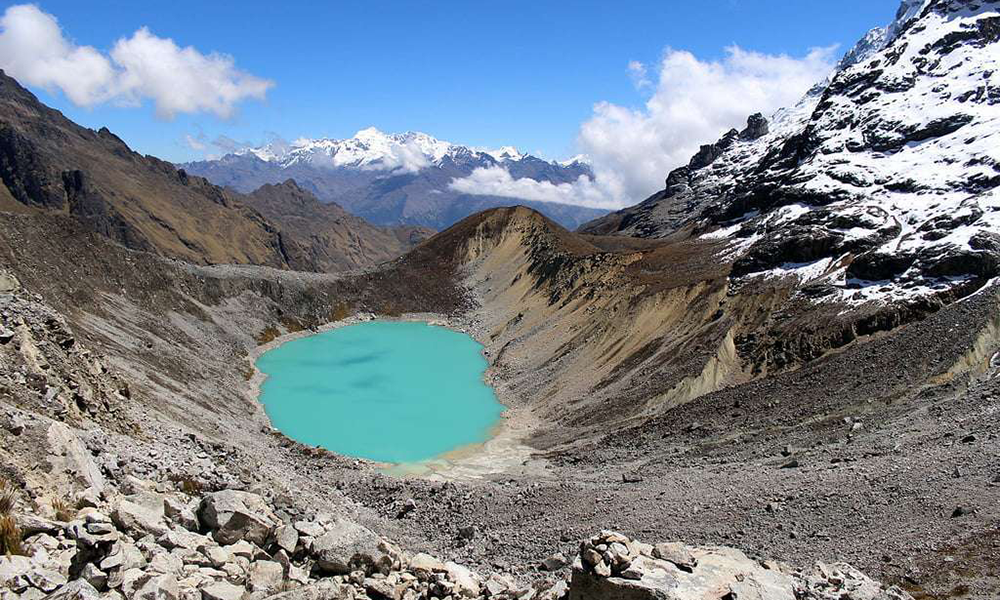
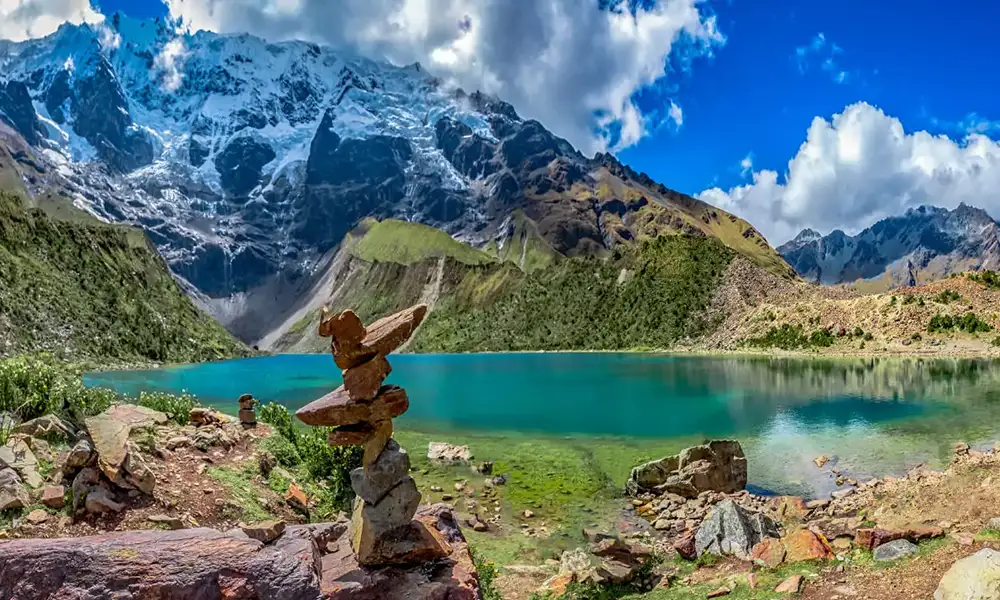
✔ Take the opportunity to hike to Humantay Lagoon (optional but spectacular)
Nights are cold: down to -5°C at any time of year.
📍 Day 2: Soraypampa → Salkantay Pass → Huayracmachay → Chaullay
“The toughest… and most mystical day”
Maximum altitude: 4,630 m
Here lies the true challenge of the trek.
Soraypampa → Salkantaypampa
- Moderate climb
- Large rocky terrain
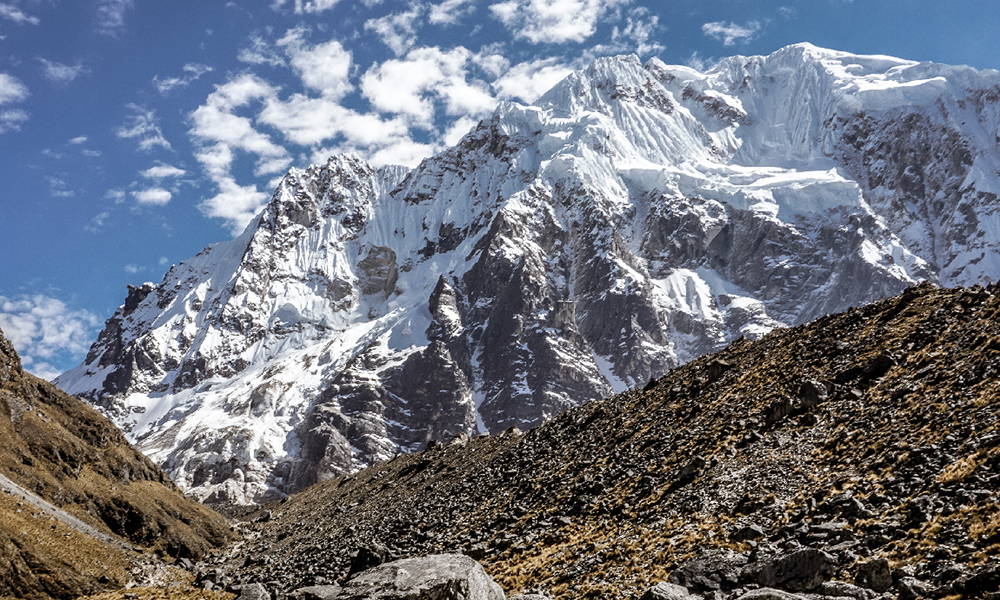
- Incredible view of the snow-capped mountain
Salkantaypampa → Salkantay Pass
- Steep and demanding climb
- Thin air
- Temperatures that can drop to -10°C
- Occasional snow in any month
Here you may experience:
- Headaches due to altitude sickness
- Heavy breathing
- Slow pace
Upon reaching the pass, you will experience:
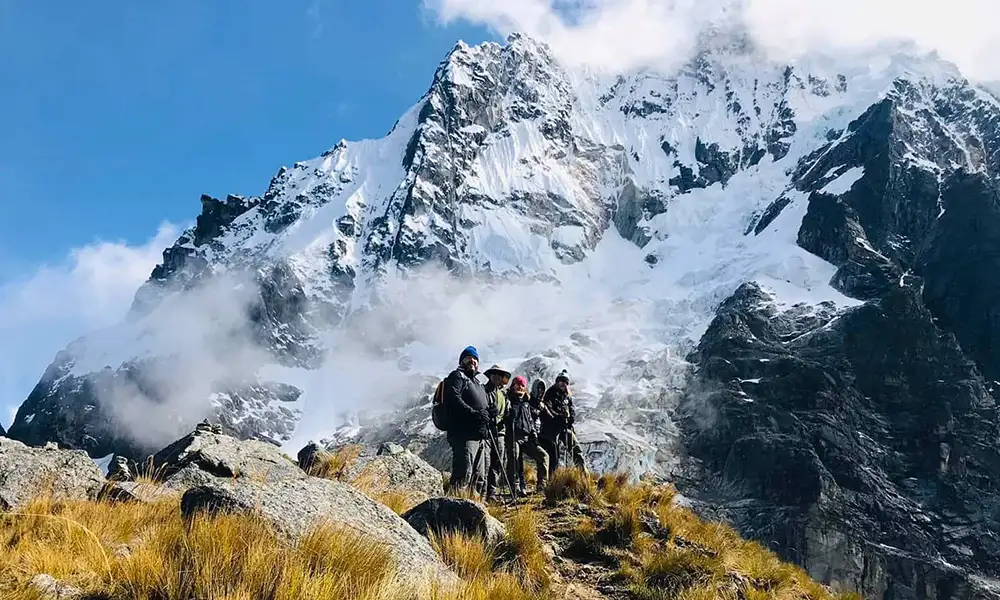
- Panoramic view of the snow-capped mountain
- Icy wind
- An indescribable sense of accomplishment
- Absolute silence
Pass → Huayracmachay
- Strong descent
- Uneven terrain
- Loose rocks
Here the ecosystem changes: vegetation appears and the air becomes warmer.
Huayracmachay → Chaullay
- Easier trail
- Small forests
- Small streams
- Much milder climate
In Chaullay there are paid campsites and small shops.
📍 Day 3: Chaullay → Collpapampa → Sahuayaco Beach
“Welcome to the cloud forest of the Amazon”
This section is fascinating because:
- it’s no longer cold
- the trail crosses rivers, waterfalls, and bridges
- you can find tropical fruits
- hummingbirds and giant butterflies appear
Collpapampa is a rural village where you can buy:
- snacks
- fruit
- bread
- drinks
At Sahuayaco Beach you have:
✔ rustic accommodations
✔ camping areas
✔ showers
✔ local restaurants
📍 Day 4: Beach → Lucmabamba → Llaqtapata → Hydroelectric Plant → Aguas Calientes
“The longest day… but also one of the most beautiful”
Here you take a restored Inca trail that climbs towards Llaqtapata, an Inca viewpoint lost in The mountain from which you’ll see Machu Picchu in the distance.
Then:
- Steep descent to the hydroelectric plant
- Long walk along the train tracks to Aguas Calientes
- Hotels, restaurants, and more
Vices
This is the day with the most kilometers covered: 22–24 km.
📍 Day 5: Machu Picchu → Cusco
You can go up:
✔ Hiking (1h 20min)
✔ By bus (USD 12)
After the visit, take a train + bus to Cusco.
💰 3. How much does it cost to do the Salkantay trek without a tour operator?
Going it alone isn’t always cheaper.
Here’s a detailed and highly realistic table:
Transportation
- Cusco → Mollepata: 15–20 soles
- Mollepata → Challacancha/Soraypampa: 30–60 soles
- Train Aguas Calientes → Ollantaytambo: 60–240 USD
- Bus Ollantaytambo → Cusco: 15 soles
Food
- Food purchased in Cusco for 5 days: 80–120 soles
- Meals at campsites: 15–30 soles per dish
Accommodation and Camping
- Soraypampa Camping: 10–20 soles
- Chaullay/Beach Camping: 10–20 soles
- Rustic Lodges: 30–40 soles
Equipment and Extras
- Tent + Sleeping Bag + Trekking Pole Rental: 20–30 USD/day
- Large Power Bank (Essential)
- Water purification tablets
- First aid kit
Entrance fees
- Machu Picchu: 152 soles (foreigner)
- Optional Machu Picchu bus: $24 USD round trip
⭐ Total cost on your own:
$160 – $380 USD
⭐ Average cost with an agency:
$230 – $350 USD
Key takeaway: Doing it independently is NOT necessarily cheaper due to the train.
⚠️ 4. Real risks of the Salkantay trek without an agency
This is one of the most important sections of the blog.
The risks exist and must be mentioned.
1. Unpredictable weather
It can change from sunshine to hail in 10 minutes.
2. Altitude sickness (soroche)
Soraypampa is already at 3,900 m (12,000 ft).
The pass is over 4,600 m (14,500 ft).
Risks:
- Intense headache
- Loss of balance
- Nausea
- Cold sweats
- Mental confusion
3. Disorientation
Although the route is marked, fog can:
- Obscure the signs
- Obscure secondary paths
- Cause you to lose your way
4. Medical emergencies
If you twist an ankle or get hurt, there won’t be anyone to help you quickly.
5. Animals and insects
In jungle areas:
- Mosquitoes
- Local dogs
- Tropical insects
6. Lack of cell service
Cell service is only available in sections near Lucmabamba and Aguas Calientes.
🧭 5. Real advantages of hiking alone
It’s not all risk. There are also real benefits:
✨ Freedom of schedule
You decide when to stop, when to rest, and where to sleep.
🌱 Deep connection with nature
Pure silence, introspective walking, and no rush.
💵 Budget control
You pay exactly what you want.
🔥 Immense personal satisfaction
Few trekkers can say:
“I did Salkantay solo.”
🧰 6. Essential equipment
To do it on your own, this is mandatory:
50–70 L backpack
It must have a hip belt and good ventilation.
Wind and rain resistant tent
Unpredictable Andean weather.
Sleeping bag rated to -10°C or -15°C
Trekking poles
Layered clothing:
- Thermal base layer
- Fleece base layer
- Waterproof base layer
- Windproof base layer
Trekking boots
Powerful headlamp
20,000 mAh or larger power bank
Offline GPS or apps such as:
- Maps.me
- Gaia GPS
- AllTrails (download maps)
Complete first-aid kit
Including:
- Ibuprofen
- Bandages
- Adhesive bandages
- Oral rehydration solution
- Water purification tablets
High-calorie food and snacks
- Oatmeal
- Chocolate
- Nuts
- Energy bars
⭐ 7. Professional tips: what guides recommend if you’re hiking alone
These points come from guides with over 10 years of experience.
👉 Never hike at night
Trails are dangerous in the dark.
👉 Completely avoid the rainy season
December → April = landslides + muddy trails + constant rain.
👉 Acclimatize for at least 1–2 days in Cusco
👉 Don’t overload yourself
Many trekkers drop out due to excess weight.
👉 Don’t ignore altitude sickness
It’s the most common and most dangerous mistake.
👉 Form small, temporary groups
This provides safety and guidance.
🌟 8. Final conclusion: Is it worth doing on your own?
Yes, it’s worth it…
but only if you’re prepared.
The Salkantay Trek on your own is an experience that is:
- free
- intense
- challenging
- spiritual
- deeply rewarding
But it’s also a route that demands:
- strength
- sound judgment
- endurance
- experience
It’s not always cheaper than going with an agency.
lass=”yoast-text-mark” />><strong>It’s not more comfortable.
>It’s not easier.
But if you’re looking for an authentic, natural, and completely independent adventure…
The Salkantay can only become one of the greatest achievements of your life.
The mountain doesn’t reward the reckless. It rewards the prepared.