

A Journey Through the Silent and Magical World of Andean and Amazonian Life on the Trail to Apu Salkantay
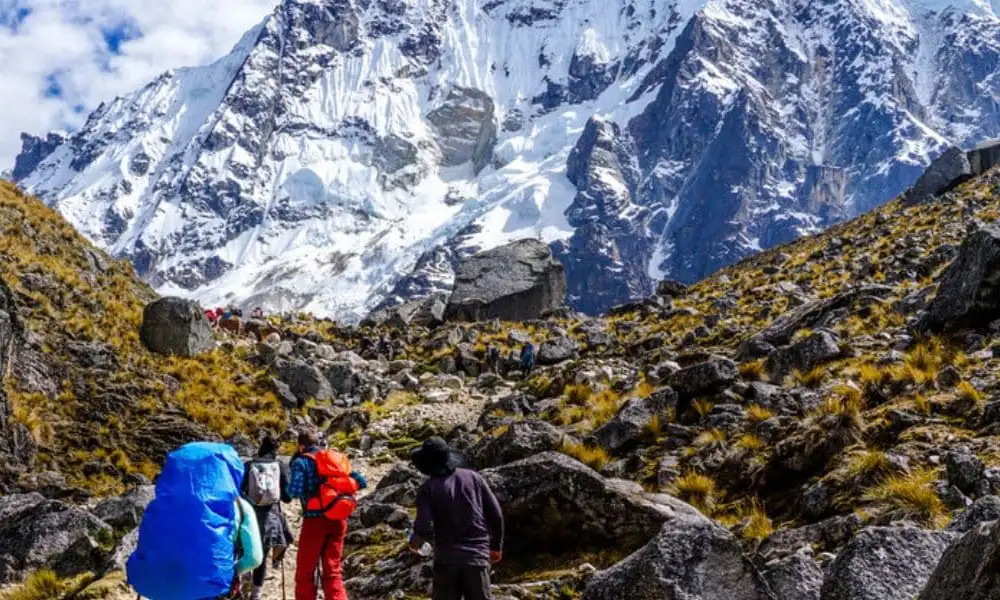
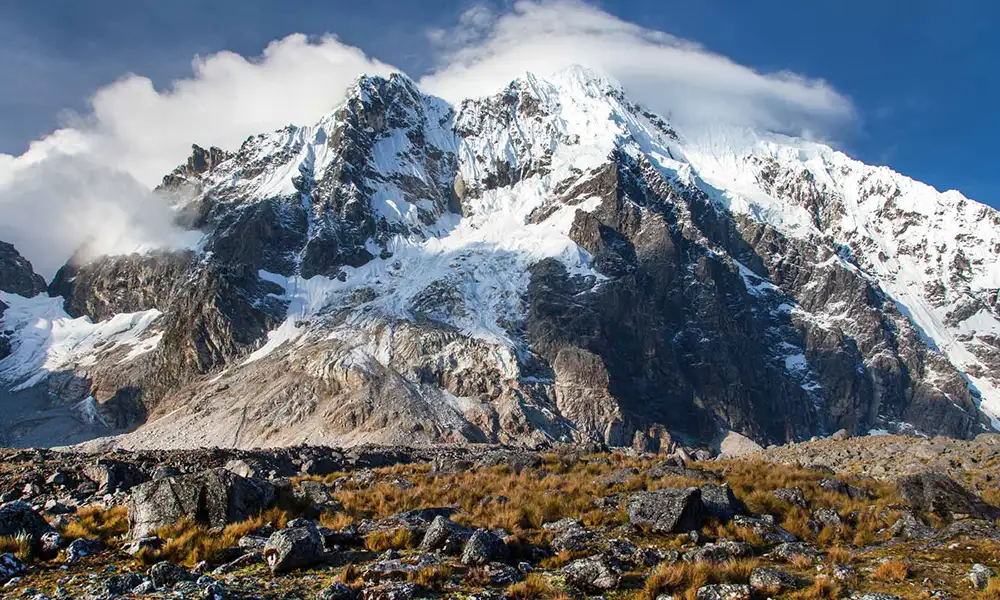
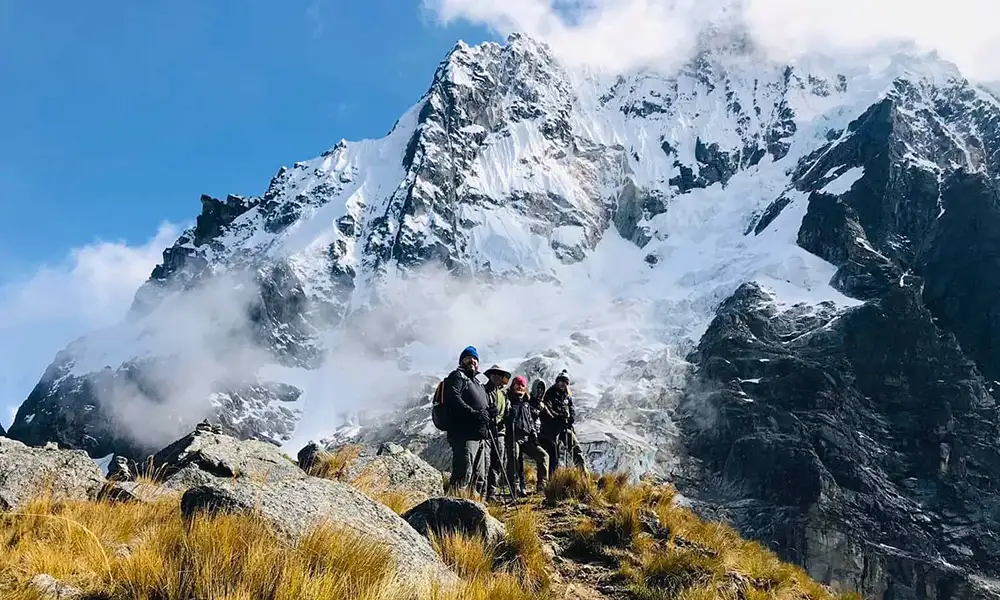
The Salkantay Trek is not just a path through mountains, glaciers, and clouds.
It is also a biological corridor: a living transition between the icy Andes and the high jungle.
In just five days, you will travel through ecosystems so diverse that it will feel as if you have walked through several countries.
Hidden within this profound change of landscape is one of the trek’s lesser-known treasures:
the wildlife.
Some animals appear fleetingly, like shadows among the clouds.
Others watch from the heights.
Others sing before dawn.
And some approach without hesitation, as if welcoming you to their territory.
This is the most complete and poetic guide to the species you might encounter during your journey to Salkantay.
🦅 1. The Andean Condor: the silent king of the sky
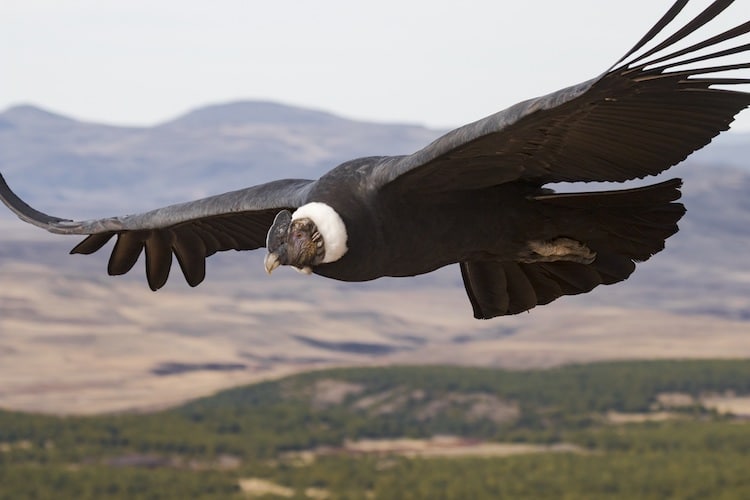
The condor is more than a bird: it’s a spiritual symbol.
Sovereign of the Andes, messenger of sacred heights,
its wingspan can reach up to 3.3 meters.
📍 Where you can see it:
- At the Salkantay Pass, soaring on cold air currents.
- On the cliffs near Huayracmachay.
- Sometimes, very early on day 2.
🌄 Experience:
Seeing a condor in Salkantay is not just a sighting;
it’s a moment that stops time.
Feeling its wings cut through the air is like receiving a blessing from the mountain.
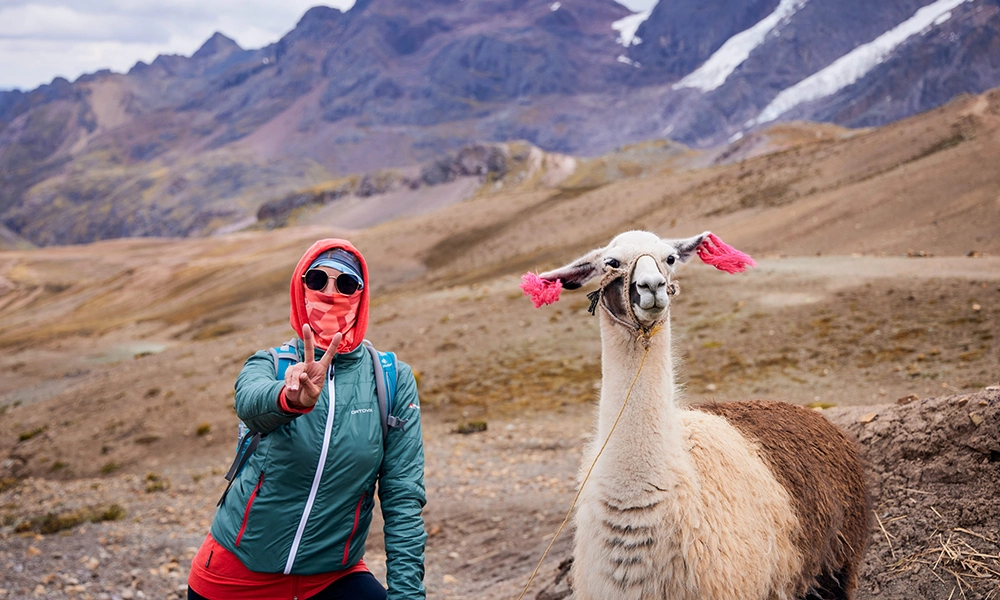
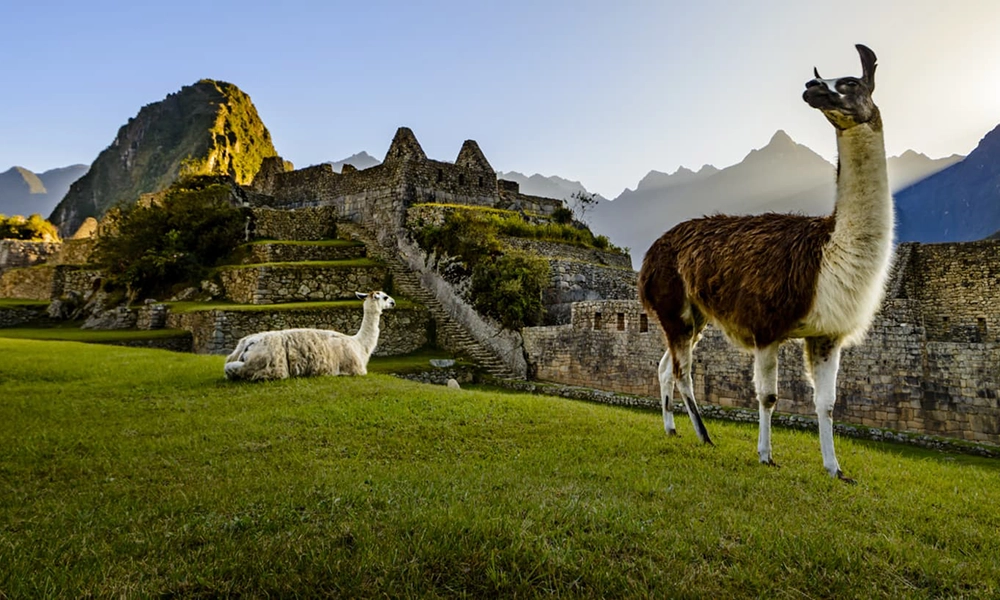
🦙 2. Llamas and alpacas: the guardians of the Andes

They are the first creatures to accompany your hike.
Calm, curious, noble…
llamas and alpacas are an essential part of the Andean landscape.
🐑 Characteristics:
- They travel in herds.
- They feed on ichu (tall grass).
- They are not usually afraid of humans.
📍 Where to see them:
- Soraypampa
- Open plains before the mountain pass
- Communities in Mollepata
🧡 Poetic:
When you see them silhouetted against the blue sky,
you understand that life at high altitude has its own elegance.
🐺 3. The Andean fox: stealthy, curious, mysterious
The culpeo fox accompanies the route from above.
It appears at dawn or dusk, near campsites, moving among the shadows.
📍 Likely Locations:
- Soraypampa
- Near rocky areas of the Abra
- Huayracmachay pass
It’s shy, but observant.
It watches you from a distance, as if ensuring you walk respectfully through the mountains.
🦉 4. Owls and Nocturnal Birds
On the cold nights of Soraypampa or Huayracmachay,
you can hear the calls of nocturnal birds of prey.
Possible Species:
- Grass Owl
- Andean Owl
Their calls blend with the silence of the valley,
creating a profound and ancient atmosphere.
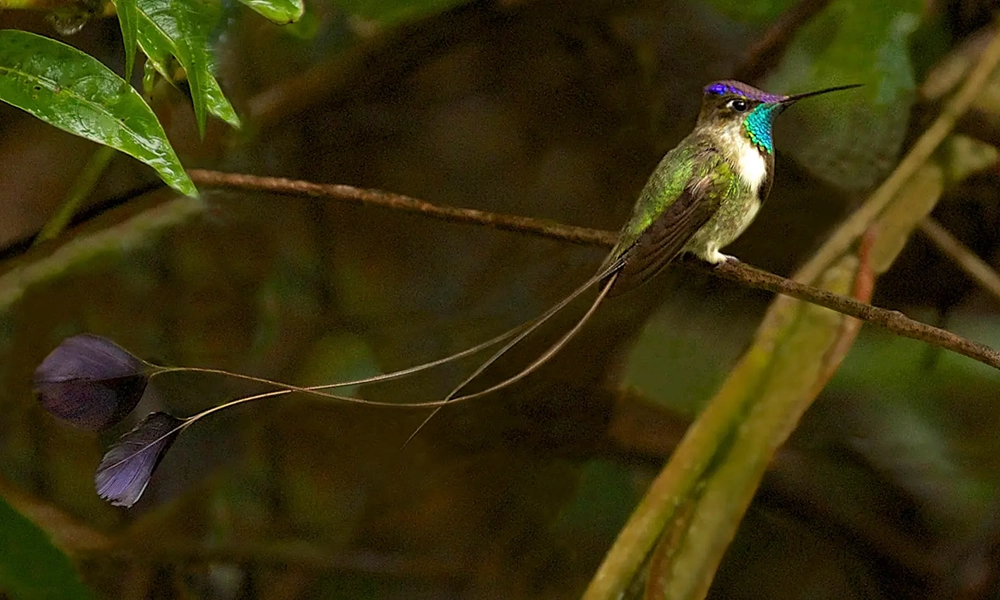
🐦 5. Hummingbirds of the High Jungle: Living Jewels of the Forest

As you descend into the high jungle,
the climate changes…
and one of the most beautiful sights of the trek appears.
Hummingbirds flit like sparks of light among the flowers.
Common species:
- Amazillian Hummingbird
- Giant Hummingbird (the largest in the world)
- Long-tailed Hummingbird
📍 Areas:
- Collpapampa
- Lucmabamba
- Cloud Forest
They are as swift as the wind,
difficult to photograph,
but unforgettable to behold.
🦜 6. Cloud Forest Birds: The Hidden Chorus
Starting on day 3, you will enter the territory of the cloud forests.
Here, the wildlife becomes more musical, more colorful, more tropical.
Common birds:
- Tangers
- Emerald Toucanets
- Woodpeckers
- Warlocks
- Flycatchers
You will hear songs from every tree.
It’s like walking through a jungle symphony.
🐸 7. Frogs and Amphibians: The Tiny Voices of the Jungle
When night falls in the high jungle,
the frogs begin their concert.
📍 Where:
- Collpapampa
- Lucmabamba
Characteristics:
- Green and yellow frogs
- Some are very tiny
- Intense and constant croaking
The sound is enveloping, almost hypnotic.
🐛 8. Butterflies: The Colors of the Path
Between days 3 and 4, the high jungle explodes with butterflies.
Species:
Blue morpho butterfly
Yellow butterflies
Orange and black butterflies
They fly among flowers, coffee, and plantations.
Sometimes they accompany you for a few minutes,
like tiny guides along the path.
🐍 9. Snakes? Dangerous Animals?
🟢 Snakes:
They are uncommon and generally flee before being seen.
They do not pose a serious danger on the trek.
🟢 Dangerous Animals:
There are no pumas or bears in the hiking areas.
The Salkantay Trek is considered very safe in this respect.
🐟 10. River and Aquatic Life
In streams and creeks you can find:
- Trout
- Small Andean fish
- Cold-water invertebrates
Aquatic life is delicate,
an essential part of the natural balance of the trek.
🌿 11. Insects: an inevitable part of the ecosystem
At higher altitudes:
There are almost no insects.
In the high jungle:
- Mosquitoes
- Butterflies
- Small ants
Nothing dangerous, just part of the tropical environment.
🌄 12. Why the wildlife of Salkantay is so special
Because the trek is a bridge between worlds:
the world of ice and the world of the forest.
On a single trail, species that love the cold coexist with species that love the heat.
Salkantay is a lifeline, a powerful biological corridor,
a vibrant green vein among the mountains.
It’s a route where:
- you can see a condor in the morning,
- a blue butterfly at midday,
- and a toucanet at dusk.
Few routes in the world offer this spectacle.
🌙 13. Final reflection: the wildlife is the silent heart of the trek.
Salkantay isn’t just about hiking.
It’s also about listening, observing, and feeling.
Every animal you encounter carries a message:
- The condor reminds you of your smallness before the mountains.
- The alpaca reminds you of tranquility.
- The fox reminds you of intuition. The hummingbird reminds you of beauty.
- The frog reminds you of the vibrant night.
- The butterfly reminds you of transformation.
On this route, the wildlife isn’t an extra.
It’s part of the spirit of the trail.
The mountain isn’t alone.
It’s alive.
And when you hike the Salkantay,
you become, for a few days,
part of that life.