

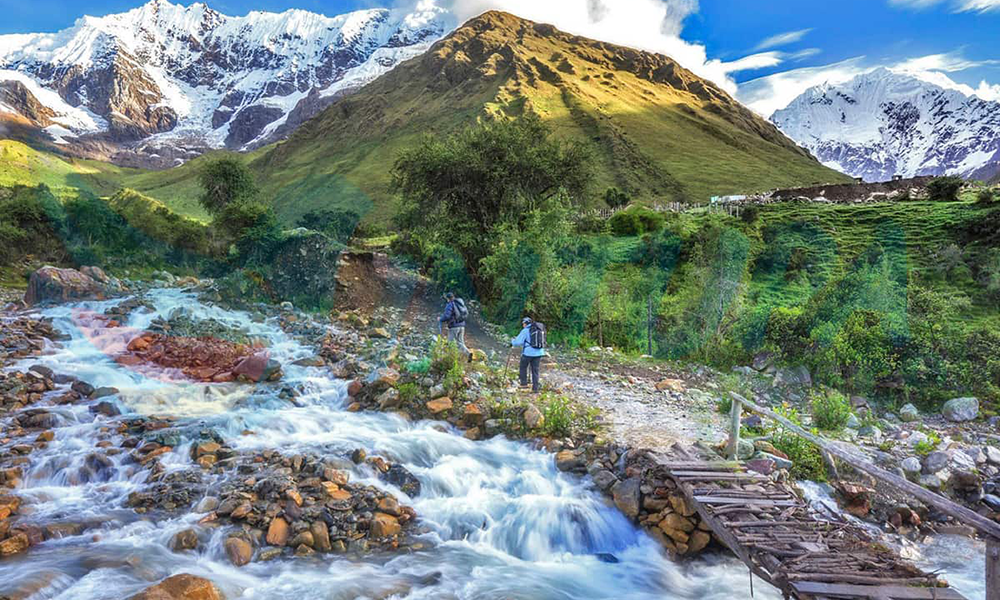
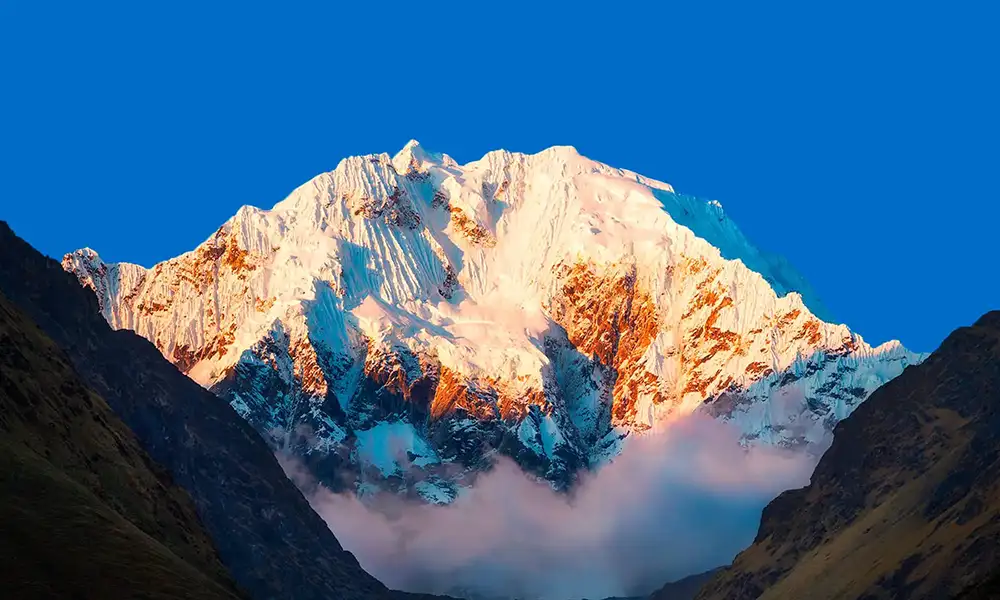
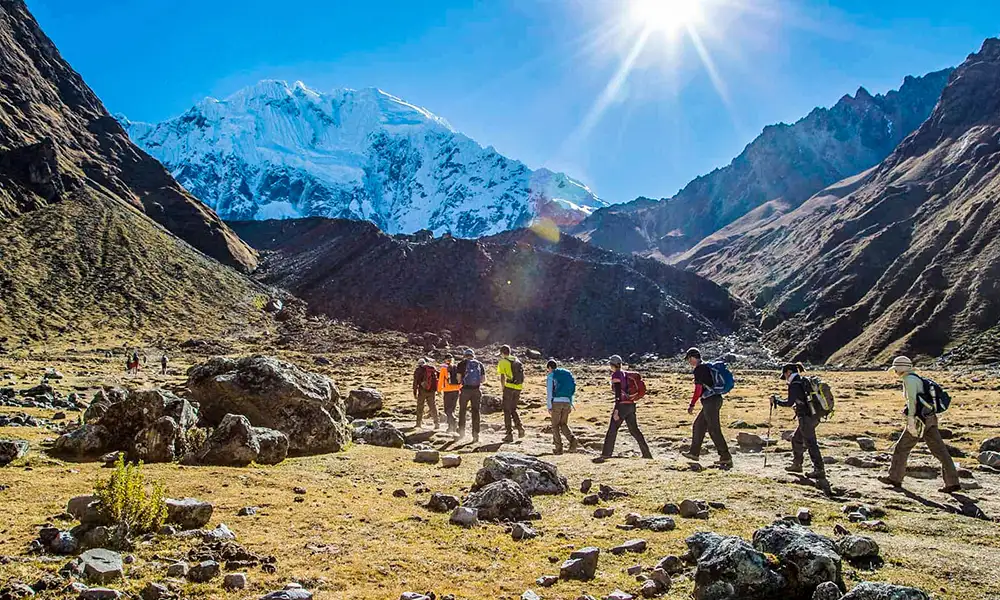
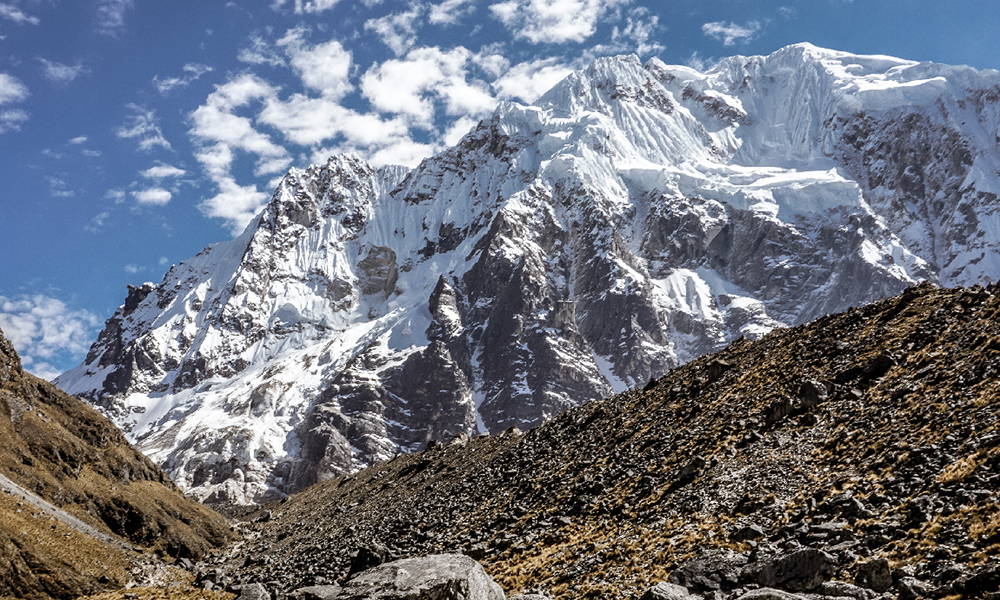
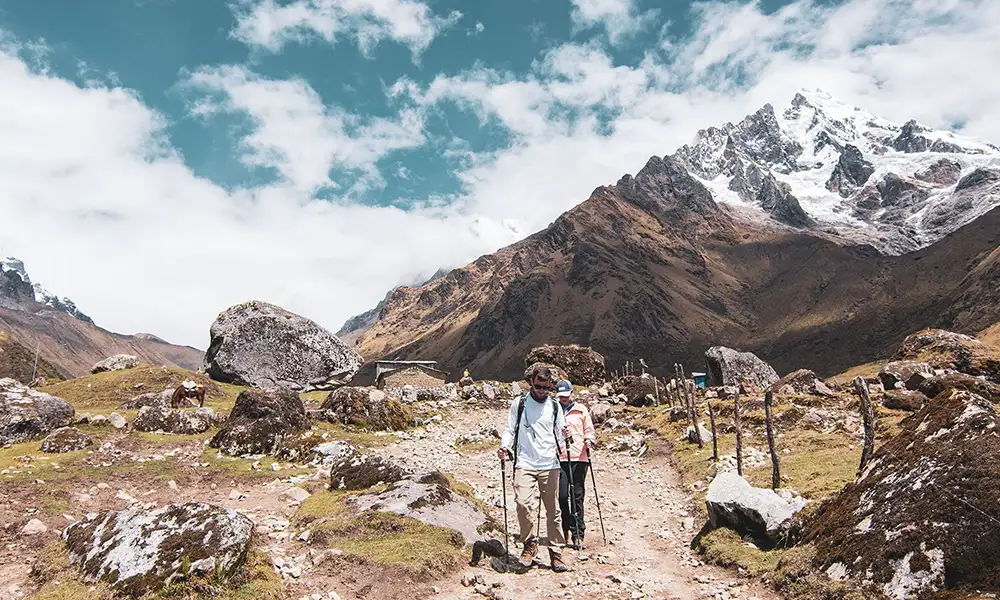
The Salkantay Trek is one of the most spectacular hikes in the world. Considered an epic alternative to the Inca Trail, it allows you to traverse five ecosystems, ascend the breathtaking Salkantay Pass (4,630 m), connect with Apu Salkantay, sleep under millions of stars, and end your adventure in the mystical city of Machu Picchu.
However, due to its altitude, distance, and physical demands, it requires thorough preparation. Here is the most complete and detailed guide to help you prepare properly and enjoy a comfortable, safe, and memorable experience.
🌍 1. What is the Salkantay Trek? One of the most impressive routes in Peru
The Salkantay Trek is an adventure trek that covers between 55 and 70 km, depending on the chosen route. It extends from the highlands of Soraypampa, past the majestic Salkantay Glacier, through the Peruvian high jungle, and finally to Aguas Calientes.
🔥 What makes Salkantay special:
Direct connection to the sacred mountain Salkantay, revered since Inca times.
Radical landscape contrasts in just 5 days.
No limited permit required (like the Inca Trail).
Less crowded, more authentic route.
Perfect for travelers seeking real adventure.
🧠 2. Physical preparation: how to train before the trek
The success of Salkantay depends 50% on your physical preparation and 50% on your acclimatization. Here’s the perfect plan.
📅 Ideal Training (4 weeks prior)
Weeks 1–2: Physical Base
- 45–60 min walks
- Stair climbing (10–20 mins daily)
- Light jogging (10–20 mins)
- Leg exercises: squats, lunges, step-ups
Weeks 3–4: Actual Endurance
- 2–3 hour walks
- Hiking up hills or slopes
- Carrying a 4–6 kg backpack
- Practice with trekking poles
💪 Important Snippet:
You don’t need to be an athlete, but you do need to be used to walking long distances.
🌬️ 3. Acclimatization in Cusco: The Most Important Step
Cusco is at 3,399 m, but Salkantay reaches 4,630 m.
The altitude can cause headaches, nausea, fatigue, or shortness of breath.
✔ What to do 2 days before the trek:
- Avoid running or strenuous exercise
- Avoid alcohol
- Eat light meals
- Drink 2–3 liters of water
- Hike to viewpoints to acclimatize
✔ Recommended acclimatization activities:
- Cusco City Tour
- San Cristóbal Viewpoint
- San Blas Plaza
- Saqsayhuamán (at a leisurely pace)
🎒 4. Essential equipment for the Salkantay Trek
The weather on Salkantay can change from intense sunshine to rain and snow in minutes. Therefore, you must bring technical equipment.
👕 Layering (Recommended System)
Base Layer (Next Layer)
- Quick-drying T-shirts
- Thin leggings
Second Layer (Thermal)
- Thermal fleece
- Lightweight windproof jacket
Terminal Layer (Protection)
- Waterproof jacket
- Waterproof pants
🥾 Footwear
- Trekking boots with Vibram soles
- Waterproof
- Previously broken in (don’t wear new boots on the trek)
🧰 Essential Accessories
- Thermal hat and gloves
- UV sunglasses
- Sunscreen
- Moisturizing lip balm
- Reinforced rain poncho
- Anti-shock trekking poles
- Headlamp
- Power bank
🧳 5. Ideal Backpack and Recommended Weight
Tour agencies will carry your travel bag. But you will carry your daypack.
🧩 Recommended Weight:
5–7 kg max.
What to pack?
- Water
- Snacks
- Light clothing
- Rain gear
- Sunscreen
- Camera
- Batteries
- Documents
- Extra money
🍽️ 6. Meals during the Salkantay Trek
Agencies usually include:
- Hot breakfasts
- Nutritious lunches (soups, rice, vegetables, chicken)
- Complete dinners
- Natural snacks
- Vegetarian/vegan options
🧭 7. EXTENDED Salkantay Trek Itinerary (5 days)
Here’s one of the most detailed itineraries for your blog.
🟦 Day 1: Cusco – Mollepata – Soraypampa – Humantay Lagoon
4:30 a.m. – Hotel pickup
2-hour drive to Mollepata for breakfast.
8:30 a.m. – Arrival at Soraypampa (3,900 m)
Start of the hike to Humantay Lagoon.
⭐ Ascent to Humantay Lagoon
Duration: 1.5 to 2 hours
Maximum altitude: 4,200 m
Unforgettable turquoise color
Spectacular sunrise photo opportunity
Return to camp – Lunch – Dinner
Overnight in domes or tents.
⬜ Day 2: Soraypampa – Salkantay Pass – Huayracmachay – Chaullay
This is the longest and most challenging day, but also the most breathtaking.
⭐ Ascent to Salkantay Pass (4,630 m)
Duration: 3 to 4 hours
Temperature: -5°C to 5°C
Snowy landscape, glaciers, absolute silence
⭐ Descent to Huayracmachay
Long hike with breathtaking views
Lunch at the refuge
Trail to Chaullay
Abrupt change in climate: greener vegetation, warmer air.
Total day: 7–9 hours of hiking.
🟩 Day 3: Chaullay – Collpapampa – Cloud Forest – Lucmabamba
The jungle landscapes begin.
⭐ Highlights of the day:
- Natural waterfalls
- Coffee plantations
- Colorful orchids
- Tropical birds
Optional:
- Santa Teresa hot springs
- Overnight in Lucmabamba.
🟧 Day 4: Lucmabamba – Llaqtapata – Hydroelectric – Aguas Calientes
Today you will walk along an ancient paved Inca road.
⭐ Llaqtapata
- Inca ruins in the mountains
- Direct views of Machu Picchu
- A place of powerful energy
⭐ Hydroelectric Plant
- Lunch
- Photos by the river
- Final hike to Aguas Calientes
- Arrival in town around 5 p.m.
- Overnight in a hotel.
🟨 Day 5: Machu Picchu – Return to Cusco
Bus ride or 1 hour 20 minute hike
⭐ Guided Tour
- Temple of the Sun
- Temple of the Three Windows
- Sacred Plaza
- Agricultural Sector
- Guardian’s House
- Viewpoints
Return by train + transportation to Cusco.
🌦️ 8. Weather by Season
Dry Season (April–October)
- Best Time
- Clear skies
- Safe trails
Rainy Season (November–March)
- Slippery trails
- Fog
- Swollen rivers
Best Month:
September, followed by June.
💰 9. Complete Salkantay Trek Budget
Classic Tours:
USD 280 – 450
Premium Tours:
USD 480 – 650
Extras:
- Train: USD 55–95
- Bus: USD 12 each way
- Machu Picchu Entrance Fee: USD 45–60
- Hot Springs: USD 5–10
🔐 10. Advanced Tips for Experts
- Bring water purification tablets
- Check your boot laces daily
- Avoid carrying heavy equipment
- Bring external batteries for your camera
- Stay hydrated (2–3 L)
- Apply sunscreen every 2 hours
- Respect the group’s pace
- Don’t hike alone in fog
👤 11. Recommendations Based on Traveler Type
🧗♂️ For Adventurers
- Choose tours Minimalist
- Sleep in panoramic domes
📸 For photographers
- Travel between June and September
- Bring ND filters and a polarizer
- Trekking poles for stability
👫 For couples
- Tour with luxury domes
- Recommended dates: May or September
👨👩👧 For families
- Paced schedule
- Additional porters
- Avoid the rainy season
❗ 12. Common mistakes to avoid
- Underestimating the altitude
- Not wearing waterproof clothing
- Not using trekking poles
- Not training before traveling
- Getting little sleep the night before
- Bringing too many layers
- Not checking the weather
🧘♂️ 13. Mental preparation for the trek
Salkantay demands mental strength:
- Maintain a steady pace
- Don’t compare yourself to others
- Breathe deeply during the ascent
- Remember why you are hiking
- Accept the challenge and flow with the mountain
🌟 14. Is the Salkantay Trek worth it?
Yes, absolutely.
It’s a route that combines:
- spirituality
- adventure
- history
- biodiversity
- unique landscapes
- connection with Apu Salkantay
Few treks in the world offer such a complete experience.